
How Insurance Carriers Use Forensic Engineering Reports to Reduce Claim Disputes
The Role of Forensic Engineering in Modern Insurance Claims

Property damage claims can quickly become complicated when the cause of damage is unclear or disputed. Insurance carriers, policyholders, and contractors may each interpret the same damage differently, which often leads to delays, disagreements, or even legal disputes.
To address these challenges, many insurance companies rely on forensic engineering reports. These technical evaluations provide an objective analysis of structural conditions, material performance, and environmental factors that may have contributed to the damage.
By incorporating forensic engineering into the claims process, insurance carriers can better understand the origin of structural issues, support fair claim decisions, and reduce the likelihood of disputes between all parties involved.
What a Forensic Engineering Report Includes
A forensic engineering report is a detailed technical document prepared after a structural investigation. The goal of the report is to determine the origin and cause of damage to a property.
Typical reports include:
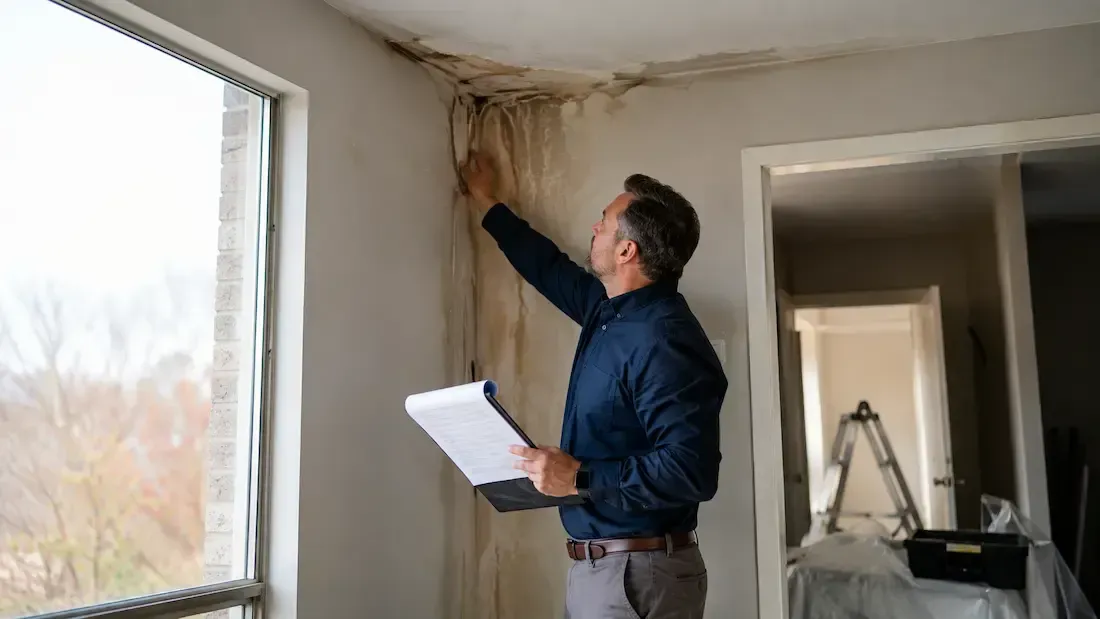
- On-site structural inspection findings
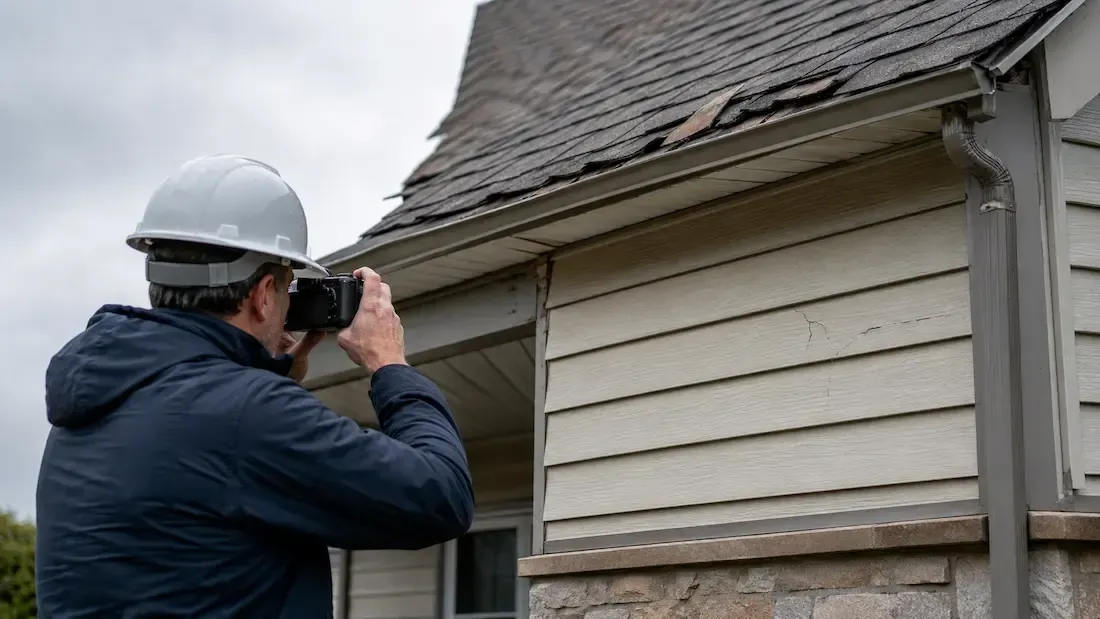
- Photographic documentation of the damage
- Analysis of building materials and construction systems
- Evaluation of environmental factors such as wind or moisture
- Engineering conclusions about the cause of the damage
- Unlike basic inspections, forensic engineering focuses on why the damage occurred, not just what is visible.
Why Engineering Reports Help Prevent Claim Disputes

Disputes in insurance claims often arise when there is uncertainty about whether damage resulted from a covered event or from long-term deterioration.
Forensic engineering reports help reduce these disputes by providing objective technical evidence. Engineers analyze structural behavior, material performance, and environmental conditions to determine the most likely cause of failure.
- This type of analysis allows insurance carriers to clearly explain their claim decisions and support them with professional engineering documentation.
Situations Where Engineering Analysis Is Valuable
Forensic engineering investigations are especially useful in cases involving:
- Severe storm or wind damage
- Structural cracking or foundation movement
- Roof system failures
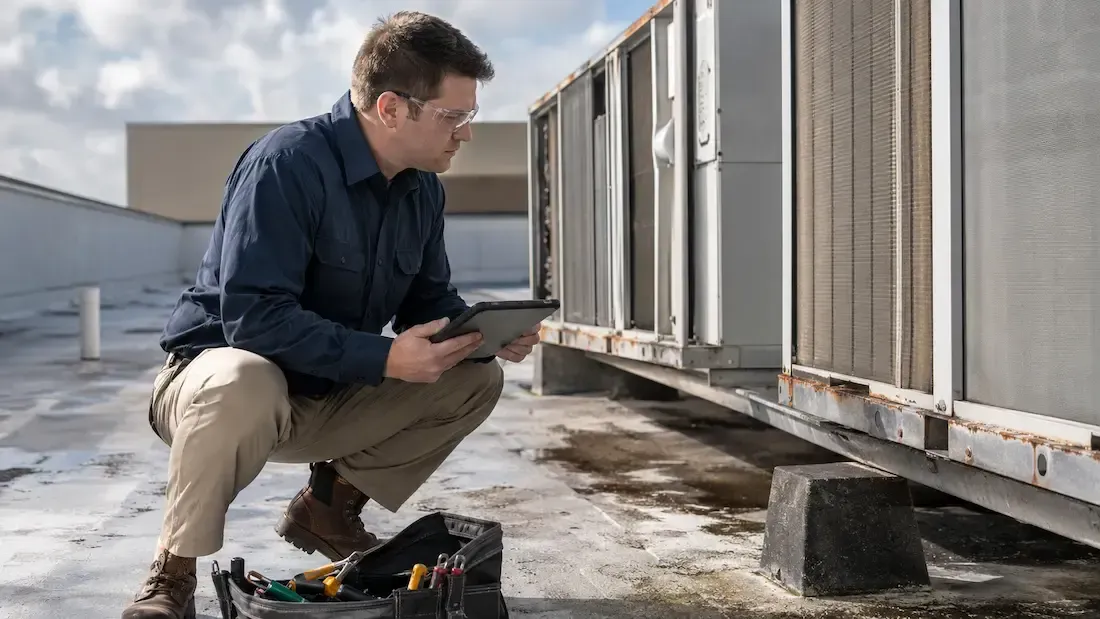
- Complex commercial property claims
- Disputed claims between contractors and insurers
In these situations, engineering expertise can clarify the cause of damage and help resolve disagreements more efficiently.
Supporting Fair and Accurate Claim Decisions
When insurance carriers rely on forensic engineering reports, they gain access to clear technical evidence that supports accurate claim evaluations. This reduces uncertainty, improves communication between all parties, and helps ensure claims are handled fairly.
- As property structures and insurance claims become more complex, forensic engineering continues to play an important role in helping insurers investigate damage, determine causation, and resolve claims with confidence.
You might also like