Forensic Building Inspections: What They Are, When You Need One, and How They Help Claims Move Forward
What Is a Forensic Building Inspection?
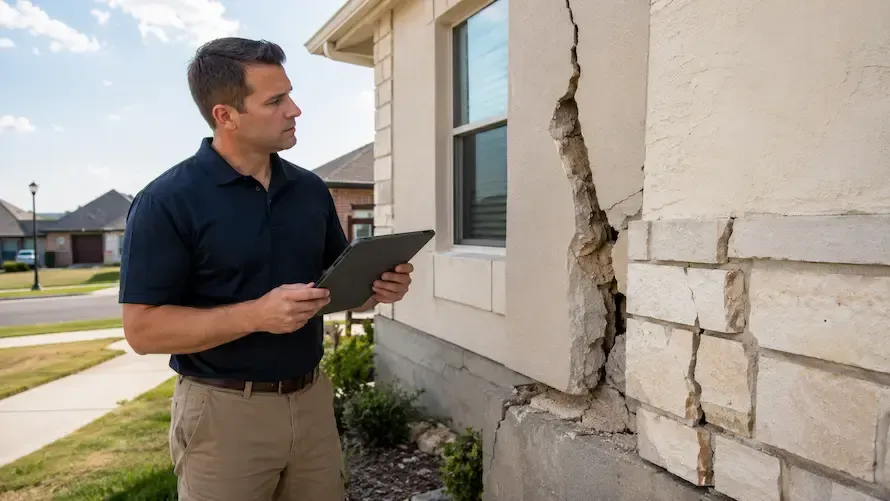
A forensic building inspection is a technical investigation used to determine what happened to a building, why it happened, how severe the damage is, and what steps may be needed next. Unlike a basic visual review, forensic building inspections focus on evidence, causation, structural behavior, material performance, and documented findings that can support insurance claims, legal matters, repair planning, or property loss decisions.
In practical terms, a forensic inspection helps answer questions such as: Did the damage come from storm impact, foundation movement, construction defects, long-term deterioration, water intrusion, improper installation, or a combination of issues? That distinction matters because the visible damage is often only part of the story. A crack in a wall, a sagging roof plane, a shifted foundation, or water staining inside a property may point to deeper conditions that need technical interpretation.
At Texas Piers Consulting, this type of work is part of a broader forensic engineering and building consulting approach. The firm specializes in property loss consulting, forensic structural analysis, insurance claims, appraisals, catastrophe response, and property damage assessments across states including Texas, Louisiana, Georgia, Florida, and Oklahoma.
A forensic building inspection can be requested by property owners, insurance carriers, adjusters, attorneys, contractors, property managers, or other stakeholders who need clear answers. The goal is not to guess or rely on opinion alone. The goal is to document the condition, evaluate the evidence, identify the most likely cause of damage, and present findings in a way that can be understood and used.
That is why forensic building inspections are especially valuable when there is a dispute, a delayed claim, visible structural distress, suspected construction defects, or uncertainty about whether damage is recent, progressive, accidental, storm-related, or due to pre-existing conditions.
What Happens During a Forensic Building Inspection?
A forensic building inspection usually begins before the inspector arrives on site. The first step is understanding the assignment: what damage has been reported, who requested the inspection, what questions need to be answered, and whether the inspection is related to an insurance claim, construction dispute, legal case, or general property damage concern.
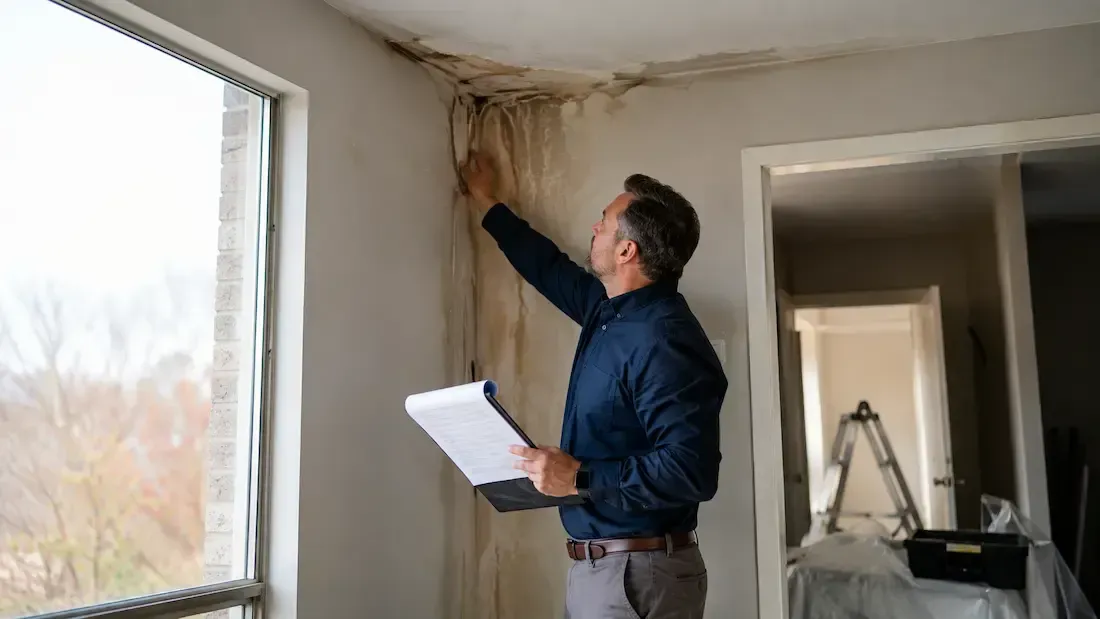
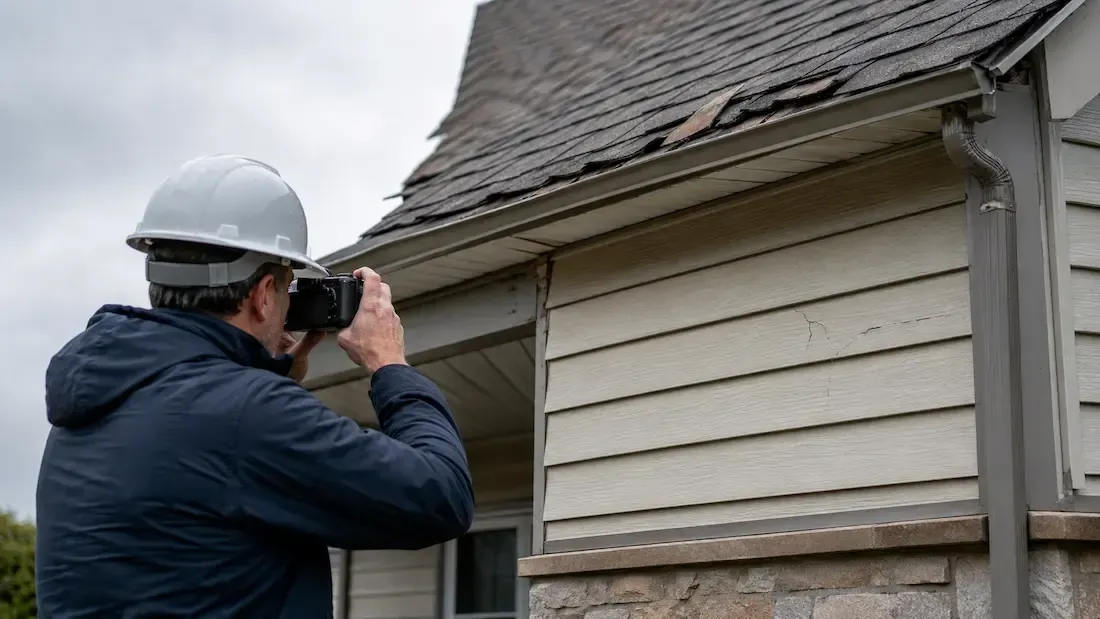
Once on site, the inspector evaluates the visible conditions of the building and documents relevant evidence. This may include photographs, measurements, notes, diagrams, moisture observations, crack mapping, roof assessment, exterior review, foundation observations, attic inspection, interior damage documentation, or other targeted evaluations depending on the assignment.
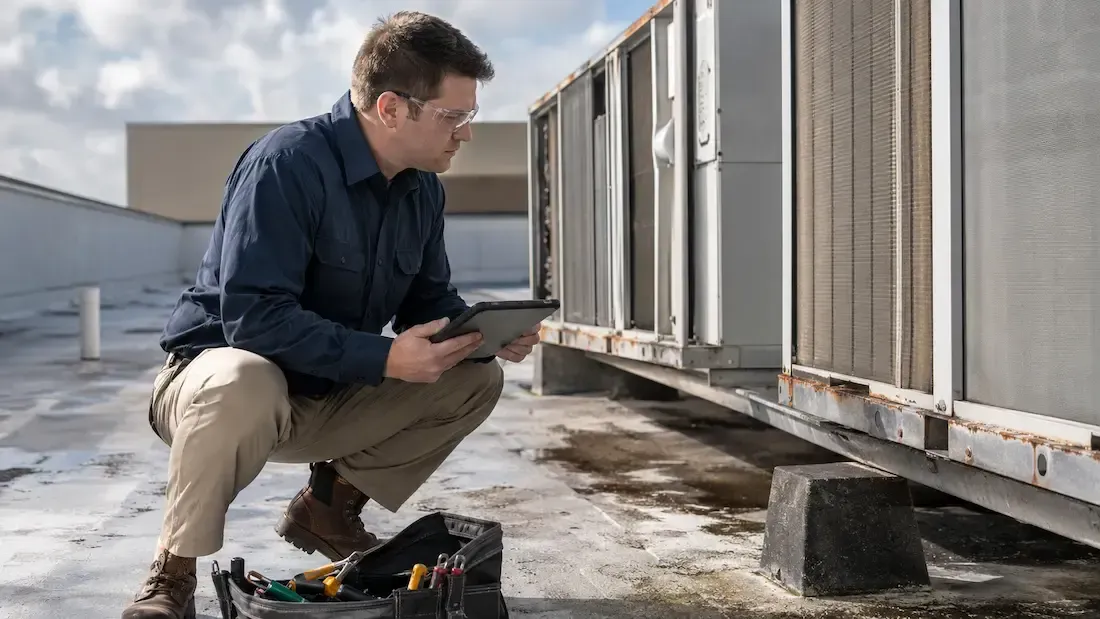
In more complex cases, the inspection may also involve technology such as drone imagery, 3D documentation, thermal imaging, or other tools that help capture areas that are difficult to access or document manually. Texas Piers Consulting’s building consulting services include capabilities such as 3D forensic imaging, repair-versus-replace analysis, cost estimating, scope review, contract review, construction defect support, and UAV/drone pilot capabilities.
A typical forensic building inspection may include:
- Assignment review
The inspector identifies the main questions: cause of damage, extent of damage, repair recommendations, code concerns, claim support, or dispute resolution. - Site evaluation
The property is reviewed carefully, focusing on the damaged areas and related building systems. - Evidence documentation
Photos, measurements, notes, and observations are gathered to support the final findings. - Cause and origin analysis
The inspector evaluates whether conditions are consistent with storm damage, construction defects, material failure, foundation movement, long-term deterioration, water intrusion, or other causes. - Report preparation
Findings are organized into a clear technical report that explains what was observed, what the evidence indicates, and what conclusions can reasonably be made. - Recommendations
Depending on the assignment, the report may include repair recommendations, further testing recommendations, scope clarification, or next steps.
The final report is often the most valuable part of the process. It turns field observations into usable documentation that can help carriers, adjusters, attorneys, contractors, and property owners make better decisions.
How Forensic Building Inspections Support Insurance Claims and Legal Disputes
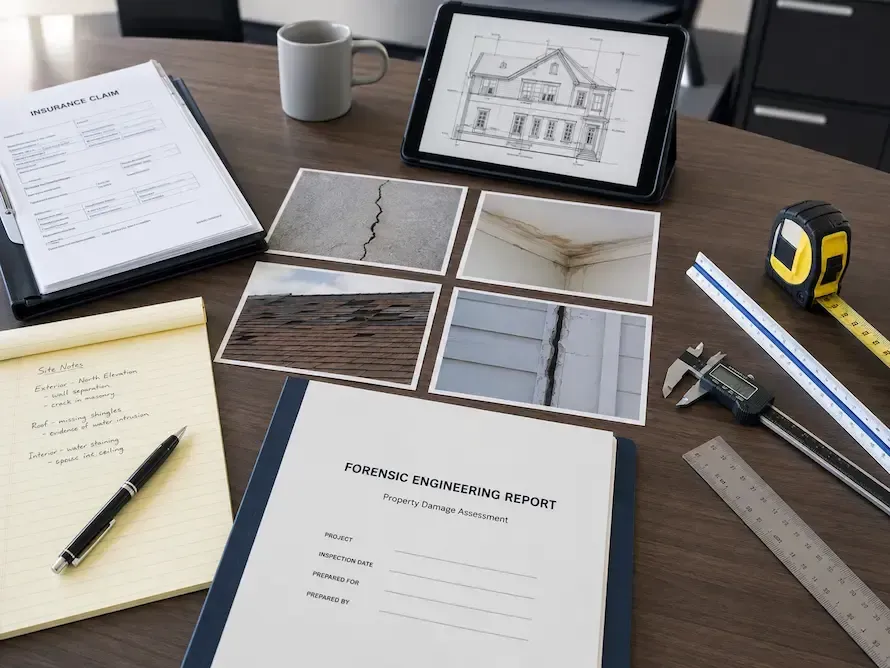
Forensic building inspections are especially valuable when property damage becomes part of an insurance claim or legal dispute. In these situations, opinions are not enough. Carriers, adjusters, attorneys, property owners, contractors, and other stakeholders need clear documentation that explains what happened and why.
A forensic inspection can help determine whether damage is consistent with a reported event, such as a storm, hurricane, wind event, plumbing leak, fire, flood, impact, or construction failure. It can also help identify whether damage is related to long-term deterioration, poor maintenance, improper installation, design concerns, material failure, or pre-existing conditions.
This matters because many claim disputes begin with uncertainty. One party may believe the damage is storm-related. Another may believe it developed over time. A contractor may recommend full replacement, while another party may believe repair is sufficient. A forensic building inspection helps bring technical evidence into the discussion.
Texas Piers Consulting states that its forensic structural engineering team investigates and assesses damages while providing insights and expert reports that aid accurate claims processing and help insurance companies make informed decisions.
A strong forensic inspection report can support:
- Claim review and claim resolution
- Damage causation analysis
- Repair vs. replacement decisions
- Scope clarification
- Litigation support
- Appraisal support
- Expert testimony preparation
- Construction defect disputes
- Property loss consulting
- Catastrophe response documentation
The value of the report is not only technical. It is also practical. A clear, unbiased report can reduce confusion, limit unnecessary conflict, and help stakeholders understand the reasoning behind a decision. Texas Piers Consulting’s own claims-focused content emphasizes that forensic engineering reports provide objective technical evidence and help insurance carriers explain claim decisions with professional documentation.
In legal disputes, this level of documentation can be even more important. Attorneys may need an expert opinion that explains causation, extent of damage, repair feasibility, and whether observed conditions are consistent with alleged events or construction practices.
In short, forensic building inspections help move claims and disputes away from speculation and toward evidence.
FAQs About Forensic Building Inspections
What is a forensic building inspection?
A forensic building inspection is a technical evaluation used to determine the cause, extent, and seriousness of building damage. It goes beyond a basic visual review by analyzing evidence, structural behavior, material performance, environmental exposure, and possible contributing factors.
How is a forensic structural inspection different from a home inspection?
A home inspection gives a general overview of a property’s condition, usually during a real estate transaction. A forensic structural inspection is more targeted. It investigates specific damage, identifies likely causes, and may produce documentation for insurance claims, legal disputes, repair planning, or construction defect evaluations.
What happens during a forensic building inspection?
During a forensic building inspection, the inspector reviews the assignment, evaluates the property, documents visible damage, collects measurements and photographs, analyzes possible causes, and prepares a report with findings. Depending on the case, the inspection may include roof review, foundation observations, moisture documentation, drone imagery, or other technical tools.
Who needs forensic building inspections?
Forensic building inspections may be needed by property owners, insurance carriers, adjusters, attorneys, contractors, property managers, developers, and other stakeholders. They are especially useful when damage cause is unclear, a claim is disputed, construction defects are suspected, or structural distress is visible.
Can a forensic building inspection help with an insurance claim?
Yes. A forensic building inspection can help support an insurance claim by providing objective documentation about the cause and extent of damage. This can help carriers, adjusters, and policyholders better understand whether damage is consistent with a reported event or another cause.
Do forensic building inspections include repair recommendations?
They can. Depending on the assignment, the report may include repair recommendations, repair-versus-replacement analysis, further testing recommendations, or scope clarification. The level of detail depends on the purpose of the inspection and the questions that need to be answered.
When should I request a forensic inspection after storm damage?
A forensic inspection should be requested as soon as possible after storm damage is discovered, especially before major repairs begin. Early documentation can help preserve evidence and clarify whether observed damage is consistent with wind, hail, water intrusion, impact, or other storm-related conditions.
What should be included in a forensic engineering report?
A forensic engineering report should typically include property information, assignment details, observed conditions, photographs, relevant measurements, analysis of possible causes, technical conclusions, and recommendations when appropriate. The report should be clear enough for claim professionals, attorneys, property owners, or contractors to understand and use.
Forensic Building Inspections vs Regular Home Inspections
A regular home inspection and a forensic building inspection may look similar from the outside because both involve evaluating a property. However, they serve very different purposes.
A standard home inspection is usually performed during a real estate transaction. Its goal is to provide a general overview of the property’s condition. The inspector may identify visible issues with roofing, plumbing, electrical systems, HVAC, drainage, appliances, insulation, or structural components. This type of inspection is useful for buyers and sellers, but it is not usually designed to determine the technical cause of a specific failure.
A forensic structural inspection, on the other hand, is more focused and analytical. It is often requested after damage has occurred, when a claim is being reviewed, or when there is disagreement about what caused the problem. Instead of simply saying “there is cracking,” a forensic inspection looks at the crack pattern, location, movement indicators, surrounding materials, structural load paths, environmental exposure, installation quality, and other evidence.
Here is the simplest way to understand the difference:
| Regular Home Inspection | Forensic Building Inspection |
|---|---|
| General property condition review | Technical damage investigation |
| Common during buying or selling | Common during claims, disputes, or damage events |
| Identifies visible deficiencies | Evaluates cause, extent, and seriousness |
| Usually broad and checklist-based | Often targeted and evidence-based |
| May recommend further evaluation | May produce technical findings and repair direction |
| Not typically used for expert causation | Often used for claims, legal support, or dispute resolution |
This distinction is important because property damage is rarely simple. A regular inspection may notice signs of distress, but a forensic inspection goes deeper into the “why.” For example, a ceiling stain may be related to roof damage, plumbing leakage, HVAC condensation, flashing failure, or long-term moisture intrusion. A forensic building inspection helps separate possibility from probability.
That is why insurance carriers, adjusters, attorneys, and property stakeholders often rely on forensic engineering reports to support fair claim decisions and reduce disputes. Texas Piers Consulting describes these reports as objective technical evaluations that analyze structural conditions, material performance, and environmental factors that may have contributed to the damage.
When Do You Need a Forensic Structural Inspection?
You may need a forensic structural inspection when a building shows signs of damage that cannot be explained with a quick visual review. This is especially true when the condition affects structural performance, safety, insurance coverage, repair scope, or liability.
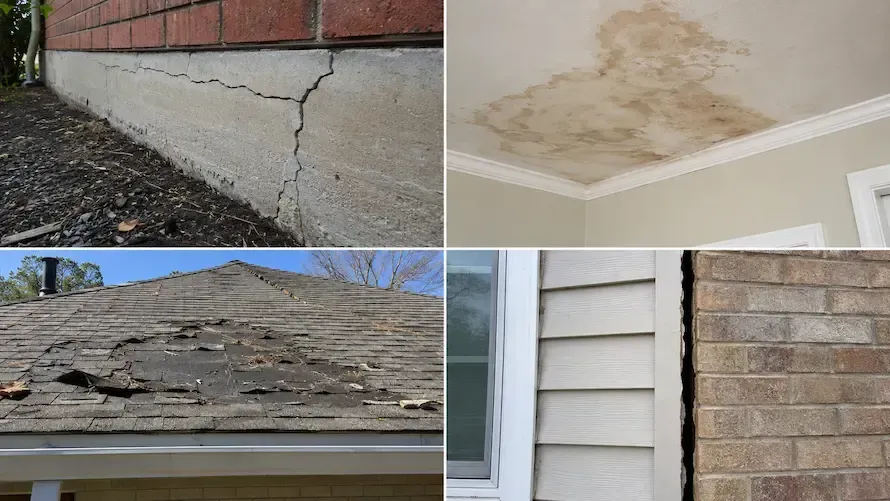
Common situations include foundation movement, wall cracks, roof damage, water intrusion, framing concerns, storm-related damage, construction defects, or damage discovered after a major weather event. In these cases, the most important question is not only “what is damaged?” but “what caused the damage?”
For example, foundation cracks may be related to soil movement, poor drainage, inadequate design, improper construction, or long-term settlement. Roof damage may be caused by wind, hail, installation errors, material aging, foot traffic, or previous repairs. Interior cracking may result from structural movement, moisture changes, framing defects, or normal cosmetic shrinkage. Without forensic analysis, it is easy for different parties to reach different conclusions.
A forensic building inspection is also useful when a claim has stalled. If an adjuster, carrier, policyholder, contractor, or attorney needs technical clarity, a documented inspection can help move the conversation forward. Texas Piers Consulting specifically positions its forensic engineering services around uncovering how and why something went wrong, and what should be done about it.
You should consider requesting a forensic inspection when:
- Damage appears sudden, severe, or unusual.
- There is disagreement about the cause of damage.
- Repairs are being proposed but the root cause is unclear.
- A property has experienced storm, hurricane, flood, wind, or hail exposure.
- There are signs of foundation movement or structural distress.
- A construction defect is suspected.
- Documentation is needed for an insurance claim or legal matter.
- A property owner, adjuster, or attorney needs an unbiased report.
The sooner the inspection occurs, the easier it is to document conditions before repairs, demolition, weather exposure, or continued use changes the evidence. That documentation can become critical when decisions need to be made about coverage, scope, repair vs. replacement, or responsibility.
What Forensic Inspectors Look For in Buildings
During forensic building inspections, inspectors are not only looking for visible damage. They are looking for patterns. A single crack, stain, displaced material, or damaged component may not tell the full story by itself. The real value comes from connecting those details to the building’s systems, environmental exposure, construction history, and structural behavior.
One major area of focus is the foundation. Foundation movement can affect walls, doors, windows, floors, framing, exterior cladding, and roof lines. Signs such as stair-step cracking, slab cracks, uneven floors, separated trim, sticking doors, or gaps around openings may indicate movement that requires closer evaluation.
Another key area is the building envelope. This includes the roof, exterior walls, windows, doors, flashing, sealants, drainage paths, and waterproofing systems. Building envelope problems can allow water intrusion, which may lead to staining, mold concerns, material decay, insulation damage, interior finish damage, or structural deterioration over time.
Forensic inspectors may also evaluate framing, roof structure, load-bearing elements, connections, installation quality, prior repairs, and code-related concerns. In construction defect cases, they may look for improper installation, missing components, poor workmanship, incompatible materials, or deviations from accepted construction practices.
Common conditions reviewed during a forensic building inspection include:
- Foundation movement and settlement
- Wall, ceiling, or slab cracks
- Roof covering damage
- Framing distress
- Water intrusion and moisture staining
- Construction defects
- Poor installation practices
- Storm, wind, or hail-related damage
- Material deterioration
- Prior repairs or patching
- Drainage issues
- Structural displacement
- Building code-related concerns
The purpose is not to overcomplicate the inspection. The purpose is to avoid oversimplifying damage that may have multiple contributing causes. For example, water intrusion might begin at the roof, but the damage pattern may also involve flashing failure, poor drainage, or interior condensation. A forensic inspection helps sort through those possibilities.
This is especially important in property claims, where the cause of damage may influence coverage decisions, repair scope, and dispute resolution. Objective documentation helps all parties work from the same technical foundation.
Clear Evidence Leads to Better Decisions
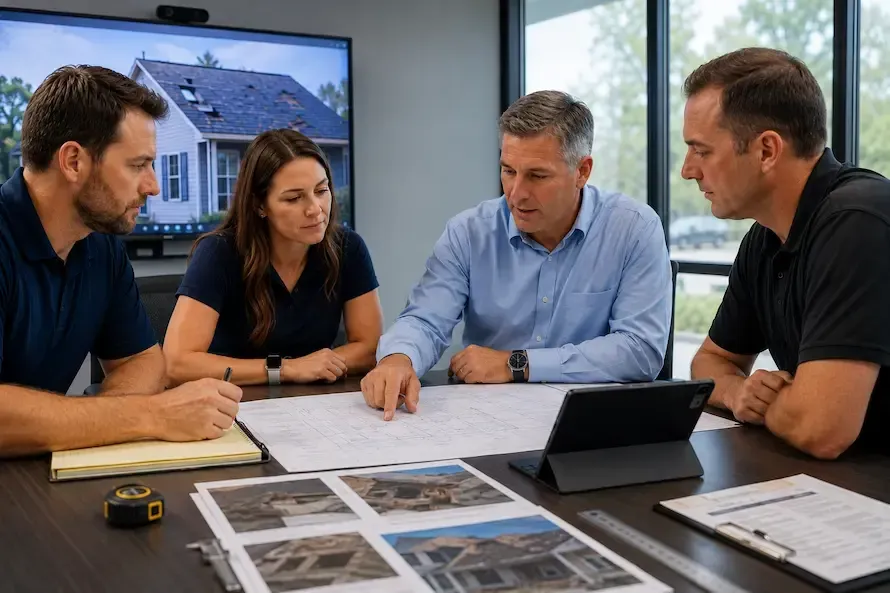
When a building shows signs of serious damage, the most expensive mistake is making decisions without understanding the cause. Repairs can fail, claims can stall, disputes can grow, and property owners may be left with unanswered questions.
That is where forensic building inspections make a real difference. They provide a structured way to evaluate damage, document evidence, identify likely causes, and support decisions with technical reasoning. Whether the concern involves foundation movement, storm damage, water intrusion, construction defects, roof damage, or structural distress, the inspection gives stakeholders a clearer path forward.
For property owners, that means understanding what is happening to the building before investing in repairs. For insurance carriers and adjusters, it means having objective documentation to support claim decisions. For attorneys, it means having technical findings that can help clarify liability, causation, and repair scope. For contractors and consultants, it means working from a more accurate understanding of the building’s condition.
At Texas Piers Consulting, the focus is aligned with that need: forensic engineering, building consulting, property damage assessments, appraisals, catastrophe response, and claims support for carriers and property stakeholders who need speed, accuracy, and transparency.
A regular inspection can tell you what appears to be wrong. A forensic inspection helps explain why it happened, how far the damage goes, and what evidence supports the conclusion.
That difference matters.
When the cause of damage is unclear, when a claim needs technical support, or when a structure shows signs of distress, a forensic building inspection can turn uncertainty into documented evidence. And in property damage situations, better evidence usually leads to better decisions.
You might also like