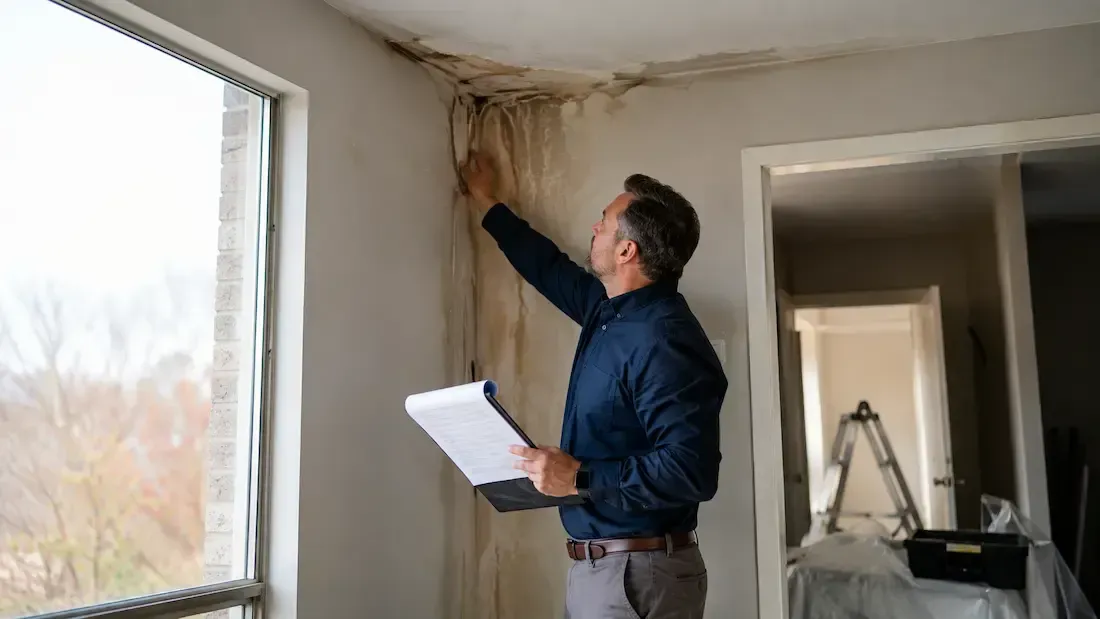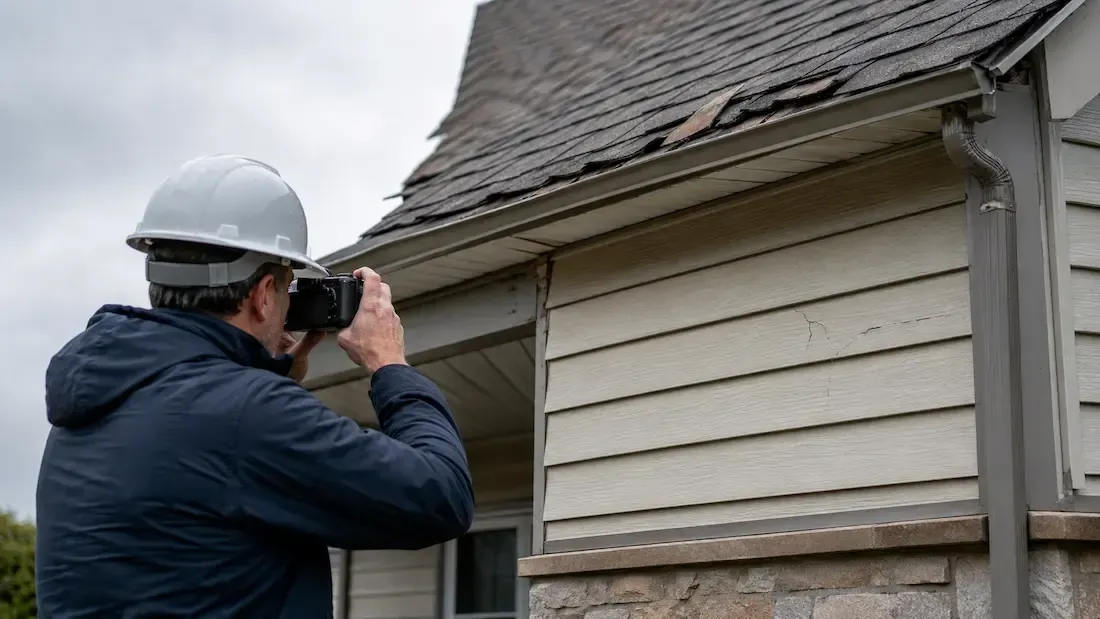

Foundation Movement vs. Structural Damage: How Engineers Evaluate Structural Damage After a Storm
Foundation Movement vs. Structural Damage: How to Tell the Difference
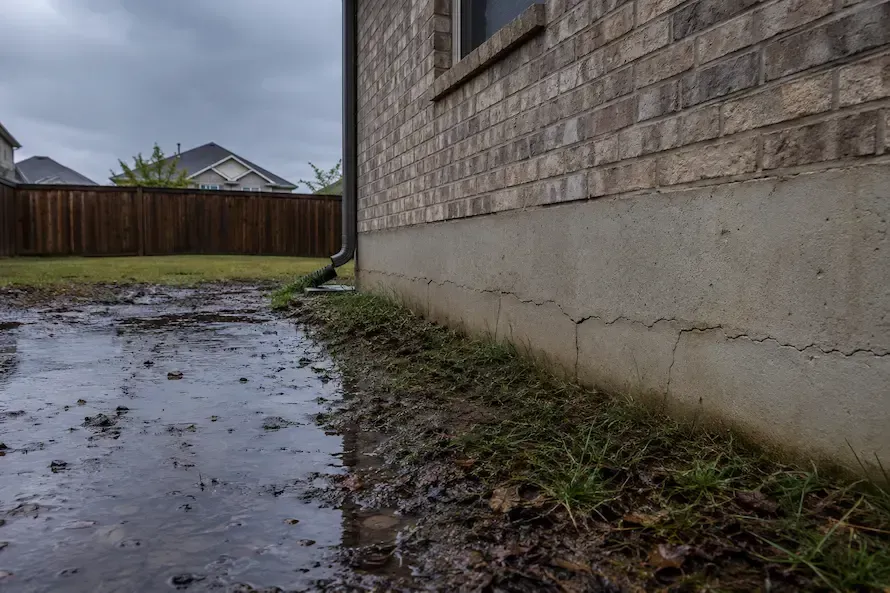
After a major storm, many property owners start noticing cracks, sticking doors, uneven floors, or gaps around trim. These signs can be concerning, especially when they appear suddenly or seem to get worse over time. However, not every crack means a building has serious structural damage.
Understanding the difference between foundation movement vs structural damage is important because the two are related, but they are not always the same thing. Foundation movement refers to changes in the position or behavior of the foundation. Structural damage means that part of the building’s load-bearing system may be weakened, compromised, or no longer performing as intended.
In Texas, where expansive clay soils, heavy rainfall, flooding, drought cycles, and storms can all affect buildings, foundation movement is a common concern. The key is knowing when movement is minor, when it is normal settlement, and when it may indicate a bigger structural problem that needs professional evaluation.
What Counts as Structural Damage?
Structural damage occurs when the parts of a building that carry or transfer loads are weakened, displaced, cracked, or compromised. These components may include the foundation, beams, columns, load-bearing walls, floor systems, roof framing, and connections between structural elements.
A building can have foundation movement without severe structural damage, especially if the movement is small or uniform. However, when movement creates stress that affects load-bearing components, the concern becomes more serious. For example, a foundation crack that extends through a structural element, significant wall displacement, sagging floors, or separation between major building components may require professional assessment.
Structural damage is not just about appearance. It is about whether the building can safely support loads and perform as intended. That is why engineers evaluate both visible symptoms and the underlying behavior of the structure.
Common Warning Signs to Watch For
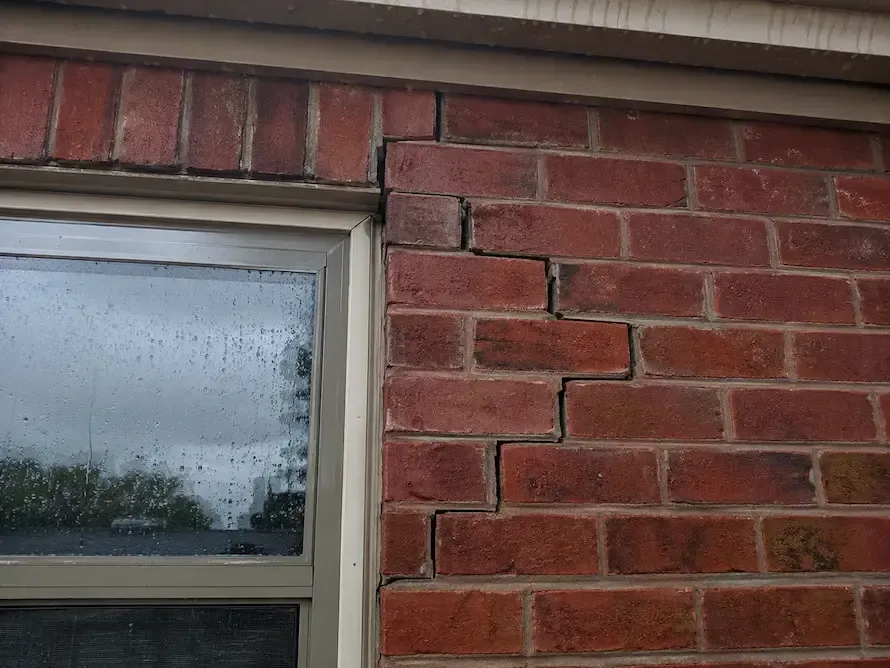
After a storm, homeowners and property managers should look for signs that may indicate foundation movement or possible structural damage. These signs do not automatically mean the building is unsafe, but they can help determine when a closer inspection is needed.
Common warning signs include stair-step cracks in brick or masonry, doors or windows that suddenly stick, floors that feel sloped or uneven, and gaps around walls, ceilings, windows, doors, or trim. Cracks that are wider than before, cracks that appear suddenly after a storm, or cracks that continue growing over time should be taken seriously.
Stair-step cracks are often seen in brick, block, or masonry walls and may suggest that different parts of the structure are moving at different rates. Sticking doors or windows can happen when frames become distorted. Sloping floors may point to settlement, framing movement, or support issues. Gaps around trim or walls can indicate separation caused by shifting or deflection.
The more warning signs appear together, the more important it becomes to request a structural assessment.
FAQs
What is the difference between foundation movement and structural damage?
Foundation movement means the foundation has shifted, settled, lifted, or changed position. Structural damage means that load-bearing parts of the building may be weakened or compromised. Foundation movement can lead to structural damage, but not all foundation movement is structurally serious.
Can a storm cause foundation movement?
Yes. Heavy rain, flooding, poor drainage, and sudden soil moisture changes can contribute to foundation movement. In Texas, expansive soils can swell when wet and shrink during dry periods, which may place stress on the foundation.
Are stair-step cracks always structural damage?
Not always, but stair-step cracks in brick, block, or masonry can be a warning sign of differential movement. If the cracks are wide, growing, or paired with other symptoms, a structural assessment is recommended.
When should I call a structural engineer after a storm?
You should call a structural engineer if you notice new or expanding cracks, sloping floors, sticking doors or windows, visible foundation cracks, or gaps around walls and trim after a storm.
Can foundation cracks be cosmetic?
Some small surface cracks may be cosmetic, especially if they are thin and stable. However, cracks in structural areas, cracks that widen, or cracks connected with other movement signs should be evaluated by a professional.
Do I need an engineer before hiring a foundation repair company?
In many cases, yes. An engineer can provide an independent assessment of the structure and help determine whether repairs are actually needed, what type of repair may be appropriate, and whether other issues such as drainage should be addressed first.
How do engineers determine if movement is active?
Engineers may evaluate crack patterns, floor elevations, drainage conditions, soil behavior, previous repair history, and changes over time. In some cases, monitoring may be recommended to determine whether movement is continuing.
Is structural damage always visible?
No. Some structural issues may be hidden behind finishes, under floors, or within framing systems. Visible signs can provide clues, but a professional inspection helps determine the true condition of the structure.
Why Foundation Movement Can Be Confusing
Foundation movement can be confusing because the signs are not always obvious or consistent. A small crack may look alarming but be cosmetic, while a less noticeable shift may point to a more serious issue. Storms can also make existing conditions more visible by adding moisture, changing soil pressure, or causing drainage problems around the home.
Another reason homeowners get confused is that many warning signs overlap. For example, a sticking door may be caused by humidity, frame swelling, poor installation, foundation settlement, or structural movement. A crack in drywall may be from normal seasonal changes, but it may also be connected to shifting support below the structure.
This is why visual signs alone are not always enough. Engineers look at the full pattern of movement, the location of damage, the age of the building, drainage conditions, soil behavior, and whether the issue is active or stable.
What Is Foundation Movement?
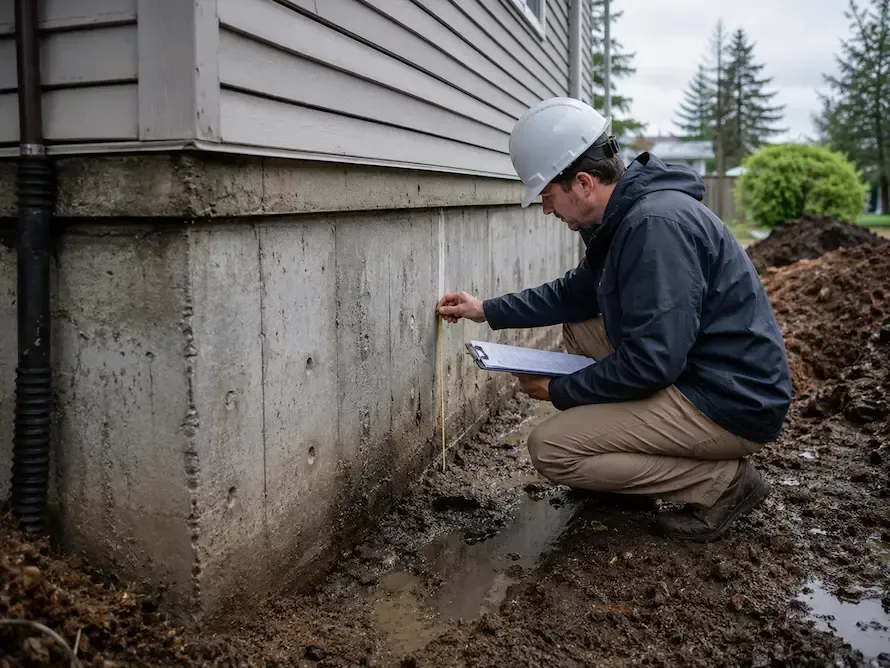
Foundation movement happens when the foundation shifts, settles, lifts, rotates, or changes position due to soil or environmental conditions. In many Texas properties, foundation movement is often connected to moisture changes in the soil. When soil absorbs water, it can expand. When it dries out, it can shrink. This cycle can create pressure beneath or around the foundation.
Foundation movement may happen slowly over time, or it may become more noticeable after extreme weather. Heavy rain, poor drainage, plumbing leaks, flooding, and drought can all contribute to changes in soil conditions. In some cases, movement may be minor and not immediately dangerous. In other cases, movement can place stress on walls, floors, framing, and other structural elements.
The important question is not only whether the foundation moved, but how much it moved, where it moved, and whether that movement is affecting the building’s structural performance.
When Cracks May Be Cosmetic vs. Structural
Not every crack is a structural emergency. Some cracks are cosmetic and may happen because of normal material shrinkage, temperature changes, minor settlement, or age. Thin hairline cracks in drywall or surface-level cracks in finishes may not always indicate a serious problem.
However, cracks may be more concerning when they are wide, diagonal, stair-stepped, repeated in multiple areas, or accompanied by other signs such as uneven floors, sticking doors, wall separation, or exterior masonry movement. Cracks that continue to expand are also more concerning than cracks that remain stable.
The location of the crack matters as well. A small drywall crack near a window may be cosmetic, but a crack that runs through masonry, foundation walls, or load-bearing areas may require further evaluation. Engineers do not judge cracks only by appearance. They look at crack width, pattern, direction, surrounding conditions, and whether the crack is connected to movement elsewhere in the building.
How Engineers Evaluate Foundation Movement
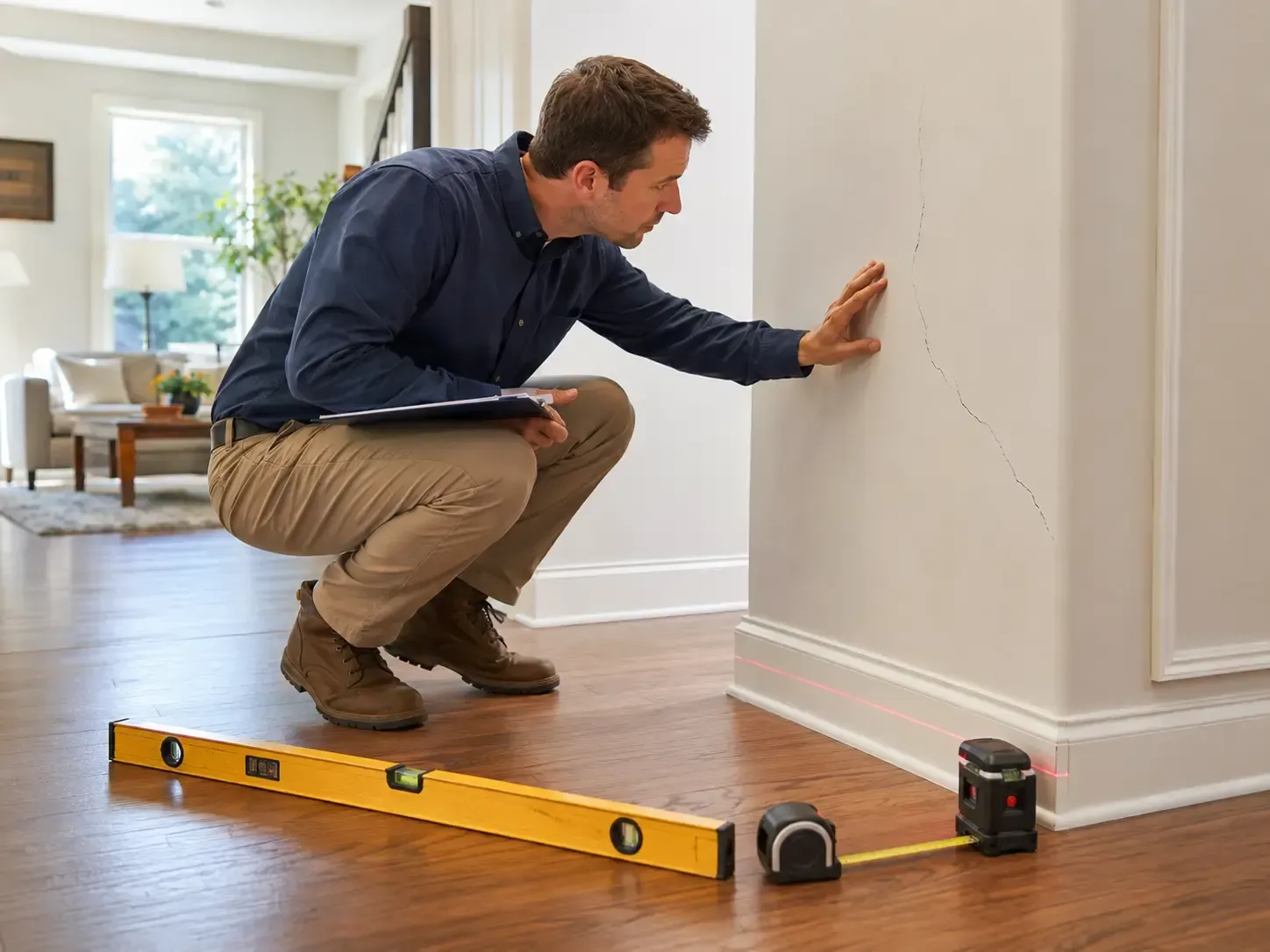
Engineers evaluate foundation movement by looking at the structure as a complete system. The process often begins with a visual inspection of interior and exterior conditions. The engineer may look for cracks, separation, uneven floors, wall movement, drainage problems, soil conditions, and signs of water intrusion.
They may also take measurements to understand whether the foundation is level, whether floors are sloping, and whether movement appears isolated or widespread. In some cases, they may review previous repair records, construction information, site drainage, storm history, or geotechnical conditions.
The goal is to determine whether the observed movement is cosmetic, serviceability-related, or structural. Engineers also consider whether the movement appears active or historic. Active movement may require monitoring, repair recommendations, drainage improvements, or further investigation.
A structural engineer’s evaluation can help property owners avoid unnecessary repairs while also identifying serious problems before they become more expensive or dangerous.
You might also like