
What Happens During a Catastrophe Damage Assessment After a Storm?
Why Catastrophe Damage Assessments Are Necessary After Major Storms
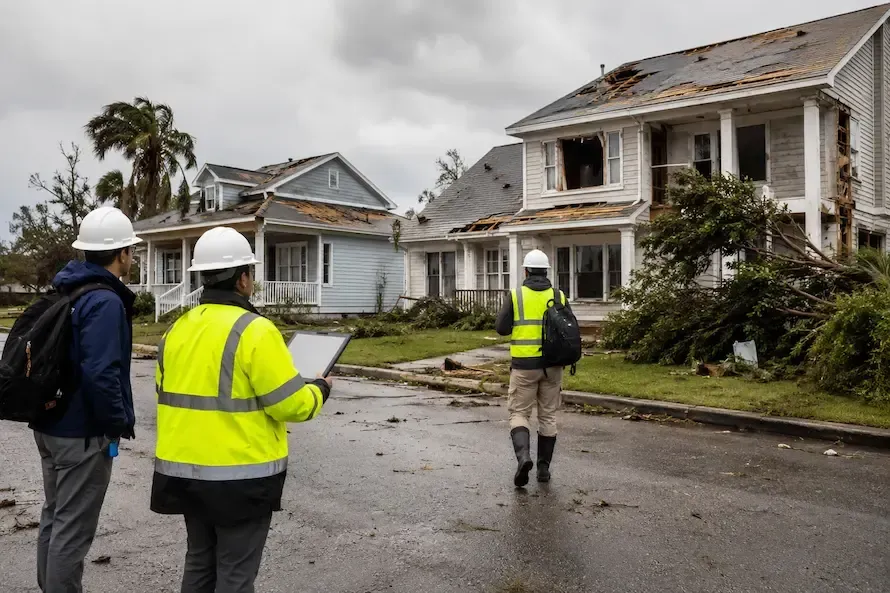
Severe storms can damage hundreds or thousands of properties within a short period. Hurricanes, tornadoes, hailstorms, windstorms, floods, and other catastrophic events may affect roofs, exterior walls, structural systems, electrical components, mechanical equipment, and interior finishes.
After a major event, property owners and insurance professionals need to understand what was damaged, how the damage occurred, and what repairs may be necessary. A catastrophe damage assessment provides a systematic evaluation of the property and documents the conditions that may be related to the storm.
These assessments are often performed by building consultants, structural engineers, forensic engineers, roofing specialists, and other qualified professionals. The appropriate team depends on the type of property, the severity of the damage, and the building systems involved.
The purpose of the assessment is not only to confirm that damage exists. The investigation may also help distinguish storm-related damage from pre-existing deterioration, construction defects, maintenance issues, or unrelated conditions.
A thorough catastrophe assessment can provide technical information that supports emergency decisions, repair planning, insurance claim evaluations, and the resolution of disputes regarding the cause and extent of the damage.
Interior Inspection and Water Intrusion Evaluation
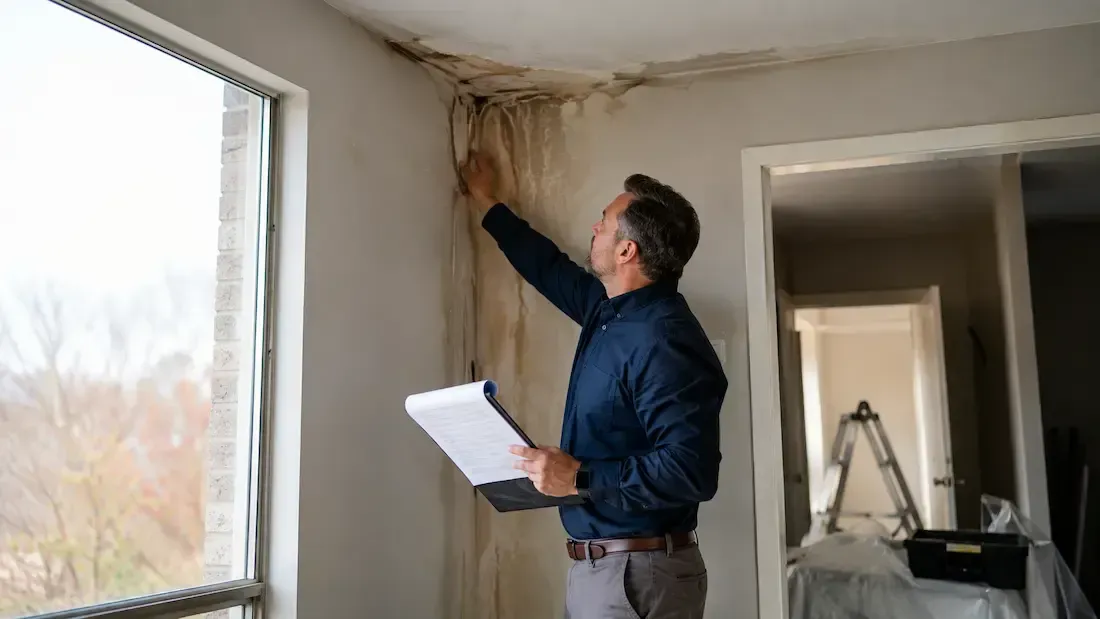
Storm damage inside a building may be obvious, such as a collapsed ceiling or flooded room, or it may remain concealed behind walls, ceilings, flooring, and insulation.
During the interior inspection, the consultant may evaluate:
- Ceiling and wall staining
- Wet drywall or insulation
- Damaged flooring
- Interior cracks or displacement
- Broken windows and doors
- Water-damaged cabinets and finishes
- Mold or microbial growth
- Damaged electrical fixtures
- HVAC system exposure
- Contents affected by water or debris
- Signs of roof or exterior wall leakage
Moisture meters, infrared cameras, borescopes, and selective removal of finishes may be used to identify hidden water intrusion.
The consultant may trace interior damage back to an exterior opening, roof defect, broken window, failed flashing detail, plumbing issue, or floodwater entry point. This helps determine whether the observed moisture is consistent with the storm or originated from another source.
Timing is an important part of the analysis. Water stains, corrosion, mold growth, deteriorated wood, and repeated repairs may indicate that some conditions existed before the reported event.
At the same time, delayed inspection can make it more difficult to separate new damage from ongoing deterioration. For this reason, photographs and moisture documentation collected shortly after the storm can be especially valuable.
The assessment should also identify materials that require emergency drying, removal, cleaning, or further testing.
How Storm Damage Is Documented and Classified
Documentation is one of the most important parts of a catastrophe damage assessment. The conditions observed during the inspection may change quickly because of cleanup, demolition, temporary repairs, drying, or continuing weather exposure.
A typical assessment may document:
- Property location and building type
- Date and type of reported storm event
- Areas inspected
- Weather and site conditions
- Photographs of damaged and undamaged components
- Measurements and material quantities
- Moisture readings
- Roof and elevation observations
- Structural concerns
- Electrical and mechanical damage
- Emergency repairs already completed
- Areas requiring further investigation
- Possible pre-existing conditions
- Recommended next steps
Damage may be classified according to the affected building system, the apparent cause, the severity of the condition, and the urgency of repairs.
For example, a report may distinguish between direct wind damage, water intrusion resulting from a storm-created opening, flood-related damage, debris impact, normal deterioration, and unrelated maintenance issues.
The consultant should avoid conclusions that are not supported by physical evidence. When causation cannot be determined during the initial inspection, the report may recommend destructive testing, laboratory analysis, additional engineering review, or examination of maintenance and repair records.
Clear documentation gives adjusters, property owners, contractors, attorneys, and other parties a common technical record of the conditions present after the storm.
Frequently Asked Questions About Catastrophe Damage Assessments
What is a catastrophe damage assessment?
A catastrophe damage assessment is a detailed inspection of a property following a major storm or disaster. It documents damage, evaluates possible causes, identifies safety concerns, and helps determine appropriate emergency and permanent repairs.
Who performs catastrophe damage assessments?
Assessments may be performed by building consultants, structural engineers, forensic engineers, roofing specialists, electrical engineers, mechanical engineers, or other qualified professionals depending on the type and severity of the damage.
How soon after a storm should the property be inspected?
The property should be inspected as soon as it is safe to do so. Early documentation can help preserve evidence before cleanup, temporary repairs, continued rainfall, or additional deterioration changes the conditions.
What areas are inspected during the assessment?
The assessment may include the roof, exterior walls, windows, doors, interiors, structural framing, foundations, electrical systems, HVAC equipment, plumbing components, drainage systems, and surrounding site.
Can a consultant determine whether damage existed before the storm?
A consultant may identify conditions that appear consistent with long-term deterioration, previous repairs, maintenance issues, or older damage. The conclusion may be based on physical evidence, weathering, corrosion, material condition, photographs, and maintenance records.
Are drones used during catastrophe assessments?
Drones may be used to document roofs, façades, large commercial properties, or areas that cannot be accessed safely. Drone images usually supplement rather than replace a detailed physical inspection.
What happens if parts of the building cannot be accessed?
The report should identify inaccessible areas and explain whether additional inspection is necessary after stabilization, demolition, drying, or specialized access equipment becomes available.
Does the assessment determine insurance coverage?
No. The consultant provides technical findings regarding damage, causation, repairability, and scope. Insurance coverage decisions are made by the insurance professionals responsible for interpreting the policy.
What information is included in the final report?
The report may include photographs, inspection findings, measurements, observed damage, causation analysis, safety concerns, repair recommendations, limitations, and recommendations for further testing or specialist evaluation.
Why are catastrophe assessments important in disputed claims?
A professional assessment provides objective technical documentation that can help the parties understand what was damaged, whether the conditions are consistent with the storm, and what work may be necessary to restore the property.
Initial Safety Review and Site Access
The first step in a catastrophe damage assessment is determining whether the property can be entered and inspected safely.
Storm-damaged buildings may contain hazards such as:
- Unstable walls or roof sections
- Fallen trees and utility lines
- Broken glass and sharp debris
- Standing water
- Exposed electrical wiring
- Gas leaks
- Fire-damaged materials
- Mold or contaminated floodwater
- Loose exterior components
- Damaged stairs, balconies, or walkways
Before beginning a detailed inspection, the assessment team may conduct a preliminary walkthrough of the exterior and accessible interior areas. They may also coordinate with emergency personnel, property managers, utility providers, contractors, or local authorities.
Personal protective equipment may include hard hats, safety glasses, gloves, protective footwear, respirators, high-visibility clothing, and fall-protection systems.
Some areas may need to be restricted until temporary stabilization is completed. This can include installing roof tarps, shoring damaged framing, securing openings, removing loose materials, disconnecting utilities, or establishing controlled access zones.
The safety review helps protect occupants, inspectors, contractors, and other parties who may enter the property after the storm. It also helps prevent additional damage caused by premature access or improper emergency work.
Exterior Inspection of Storm-Related Damage
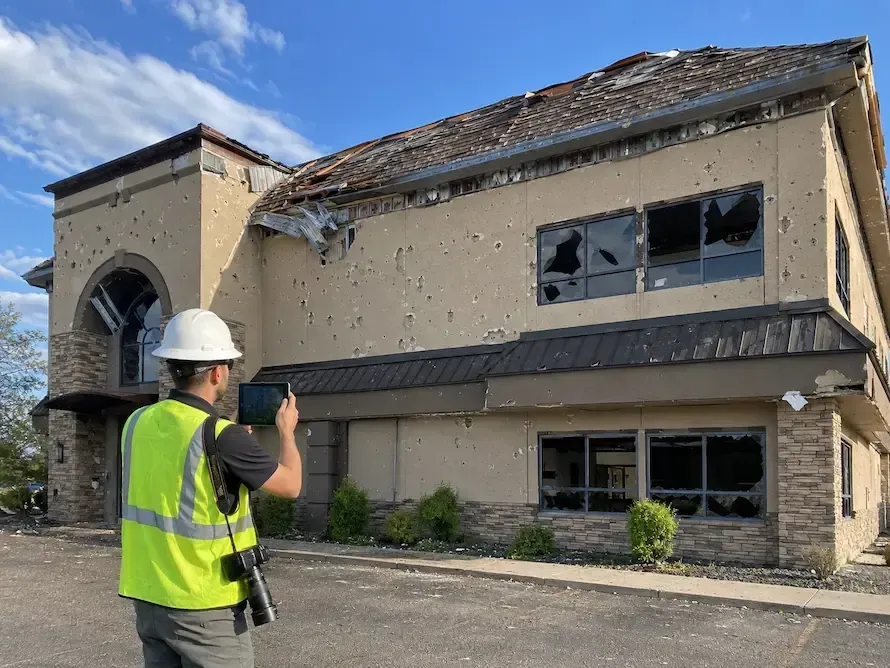
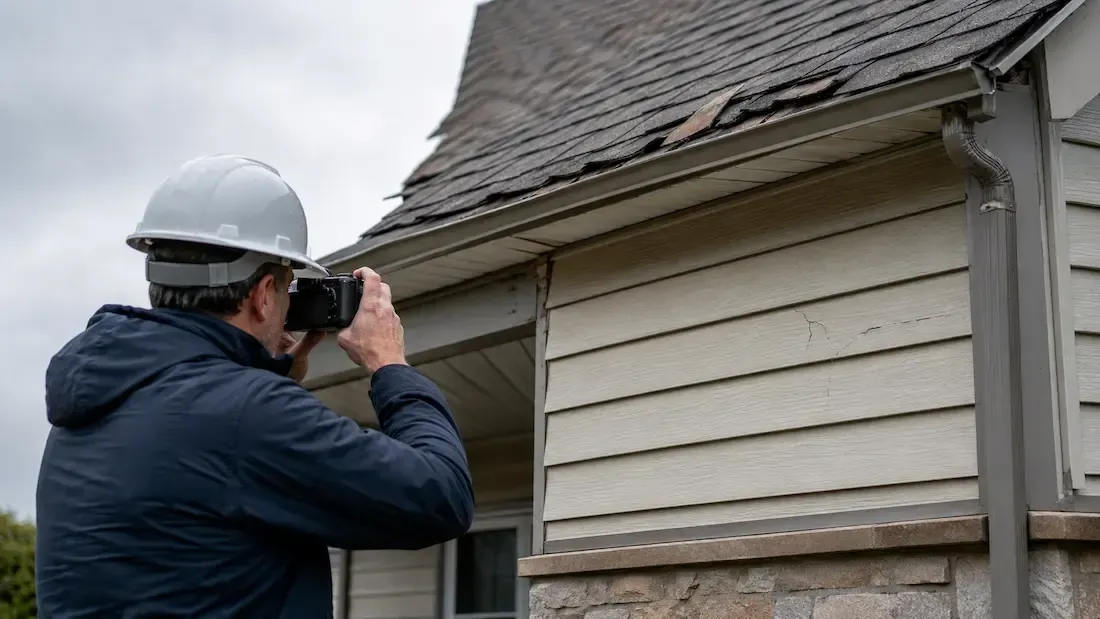
The exterior inspection usually begins with a review of the building envelope and surrounding property. The consultant may examine the roof, exterior walls, windows, doors, drainage systems, attached structures, and site conditions.
Common exterior conditions evaluated after a storm include:
- Missing, lifted, creased, or fractured roof coverings
- Hail impacts on roofing and metal components
- Damaged flashing and roof penetrations
- Torn or displaced membrane roofing
- Cracked or detached siding
- Damaged stucco, brick, or exterior cladding
- Broken windows and doors
- Bent gutters and downspouts
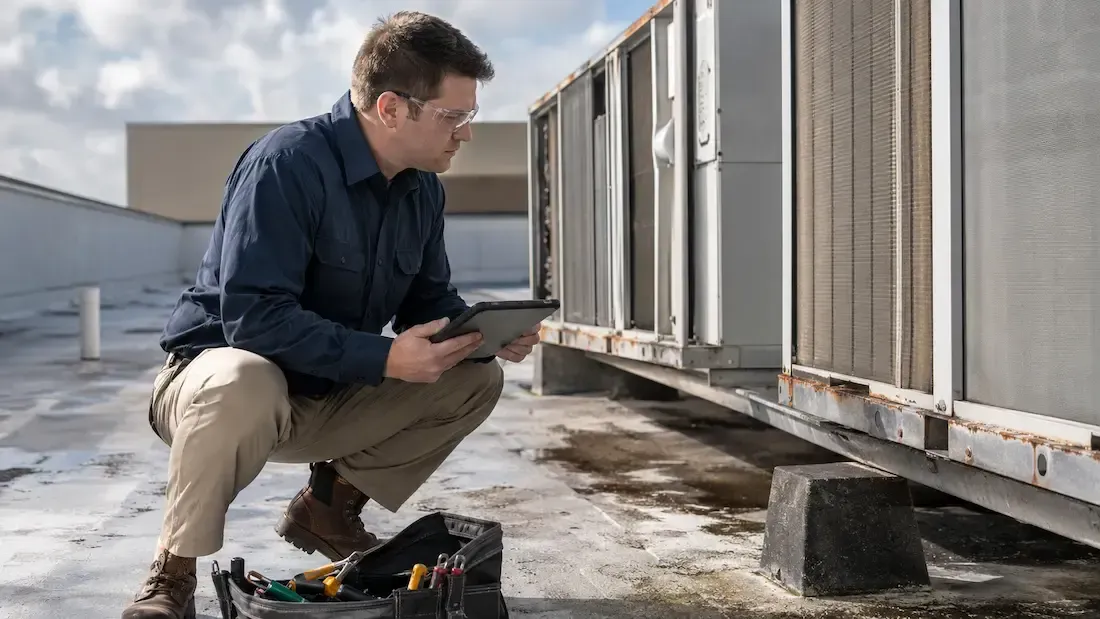
- Damaged rooftop equipment
- Fallen trees or debris impacts
- Water entry points
- Foundation erosion or soil movement
The consultant may inspect each elevation of the building and identify patterns that correspond with the reported wind direction, hail exposure, falling debris, or flood conditions.
Roof inspections may require ladders, lifts, drones, or other access equipment. When roof access is unsafe, the consultant may begin with aerial or ground-based observations and return for a closer inspection after temporary stabilization.
Photographs, measurements, test squares, roof diagrams, material samples, and written observations may be used to document the damage. The assessment should identify both damaged and undamaged areas so that the observed conditions can be compared.
The presence of an old or worn material does not automatically mean that it was damaged by the storm. The consultant evaluates whether the physical evidence is consistent with wind uplift, hail impact, water intrusion, debris impact, or another reported cause.
Structural, Electrical, and Mechanical System Evaluation
Major storms can affect more than visible finishes. Structural framing, electrical systems, mechanical equipment, plumbing components, and other critical building systems may also require evaluation.
Structural concerns may include:
- Displaced roof framing
- Cracked or leaning walls
- Damaged columns and beams
- Foundation movement
- Failed connections
- Impact damage from trees or debris
- Water-weakened materials
- Partial collapse
- Excessive building movement
Electrical damage may involve exposed wiring, wet panels, damaged service equipment, failed appliances, lightning-related surges, or power distribution problems.
Mechanical systems may be affected by flooding, wind, hail, debris impacts, or electrical failures. Rooftop HVAC units, condensers, ductwork, controls, generators, pumps, and ventilation equipment may all require inspection.
The building consultant may coordinate with structural engineers, forensic electrical engineers, mechanical engineers, industrial hygienists, roofing professionals, or other specialists.
Not every system requires the same level of investigation. A small residential claim may involve a focused building inspection, while a large commercial loss may require a multidisciplinary team.
The assessment should clearly identify which components were inspected, which areas were inaccessible, and whether additional testing or specialist evaluation is recommended.
From Emergency Mitigation to Permanent Repair Recommendations
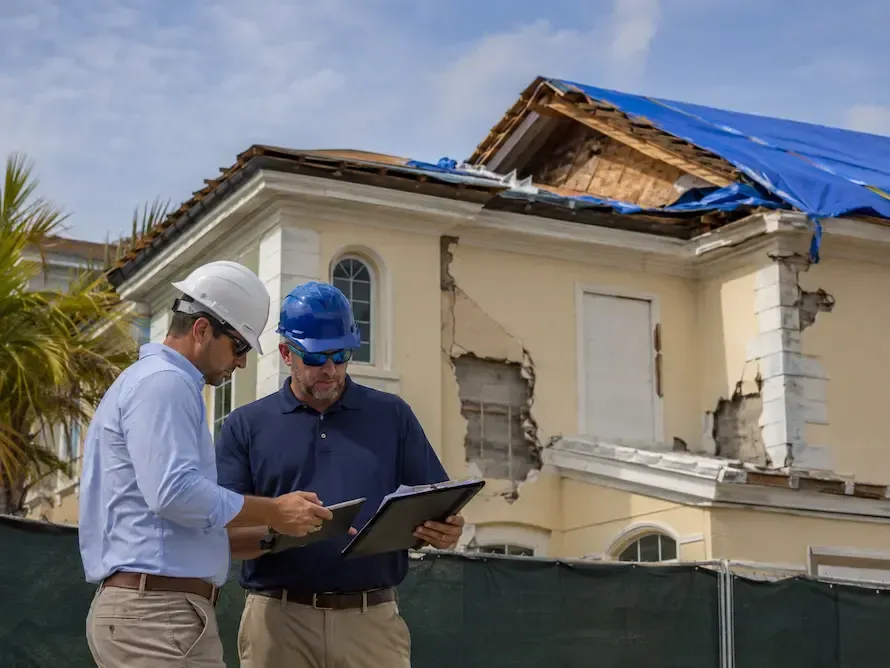
After documenting the damage, the consultant may identify immediate mitigation needs and develop recommendations for permanent repairs.
Emergency mitigation may include:
- Installing temporary roof coverings
- Boarding broken windows and doors
- Removing standing water
- Drying wet materials
- Stabilizing damaged structural components
- Disconnecting unsafe electrical systems
- Removing loose exterior materials
- Protecting exposed building interiors
- Controlling mold or contamination
- Restricting access to unsafe areas
These measures are intended to reduce additional damage and protect the property until permanent repairs can be completed.
The consultant may then prepare a repair scope describing the damaged materials, recommended repair methods, quantities, access requirements, and related construction work.
The repair scope may address whether components can be repaired locally or require broader replacement. It may also identify code-related upgrades, matching concerns, manufacturer requirements, permit conditions, and areas where concealed damage may be discovered during construction.
Contractor estimates can be compared with the documented scope to determine whether the proposed work corresponds with the observed damage.
A well-prepared assessment does not simply list damaged items. It explains the relationship between the storm, the physical evidence, the recommended repairs, and any additional investigation that may be needed.
You might also like