
Construction Defect vs. Storm Damage: How Forensic Engineers Determine the Cause
Distinguishing a construction defect vs storm damage can be one of the most important and challenging questions in a property damage investigation. Wind, rain, hail, and other severe weather conditions can damage roofs, exterior walls, structural components, windows, and building envelopes. However, improper installation, defective workmanship, deterioration, and pre-existing conditions can sometimes produce similar visible symptoms.
A crack, displaced roof component, moisture stain, or damaged exterior finish identifies a condition, but it does not automatically explain how that condition developed.
A forensic engineering investigation focuses on causation. Engineers evaluate the physical evidence, construction details, weather information, damage patterns, material conditions, maintenance history, photographs, and available documentation to determine whether observed damage is consistent with a recent event, an existing construction condition, or multiple contributing factors.
The objective is not to assume that all damage discovered after a storm was caused by the storm or that every irregular construction condition is responsible for the reported damage. Instead, engineers examine how the building was constructed, how it responded to the reported event, and whether the available evidence supports a technically reasonable cause-and-origin conclusion.
How Engineers Investigate Construction Defect vs. Storm Damage
A forensic engineering investigation typically begins with the reported history of the loss.
Engineers may ask when the condition was first observed, what weather event reportedly occurred, whether similar issues existed previously, whether repairs have already been performed, and what portions of the property were affected.
The site inspection then allows the engineer to compare that reported history with the physical evidence.
Depending on the building and type of damage, the investigation may include evaluation of:
- Roofing systems
- Exterior walls and cladding
- Windows and doors
- Flashing
- Sealants
- Structural framing
- Foundations
- Interior finishes
- Drainage conditions
- Mechanical penetrations
- Fasteners and connections
- Building envelope transitions
Engineers may also document dimensions, crack patterns, displacement, material deterioration, moisture conditions, attachment methods, and other observable characteristics.
Available records can provide additional context. These may include pre-loss photographs, construction plans, inspection reports, maintenance records, repair invoices, contractor proposals, installation documentation, weather information, and photographs taken shortly after the reported incident.
One important part of the investigation is determining whether the observed damage pattern is consistent with the proposed cause.
A reported wind event, for example, should be evaluated in relation to how wind forces interact with the specific components involved. Damage concentrated in particular roof areas, attachment failures, displaced materials, or deformation patterns may provide information about how a component responded.
However, engineers also evaluate whether improper attachment or another construction deficiency may have influenced that response.
This approach is particularly important when evaluating improper installation vs storm damage. The existence of an installation deficiency does not automatically establish that the storm had no effect, just as the occurrence of severe weather does not establish that every observed condition resulted from that weather.
Each conclusion should be based on site-specific evidence.
Improper Installation, Workmanship, and Design-Related Conditions
Construction defects can originate from several stages of the building process.
Some involve installation or workmanship. Others may relate to the selection or configuration of building components, inadequate detailing, material compatibility, or other design and construction conditions.
Examples may include:
- Improperly installed flashing
- Inadequate fastener placement
- Missing or improperly installed components
- Incorrect material transitions
- Deficient waterproofing details
- Poor sealant installation
- Inadequate roof attachment
- Improper drainage configuration
- Deficient exterior cladding attachment
- Construction that differs from available plans or intended details
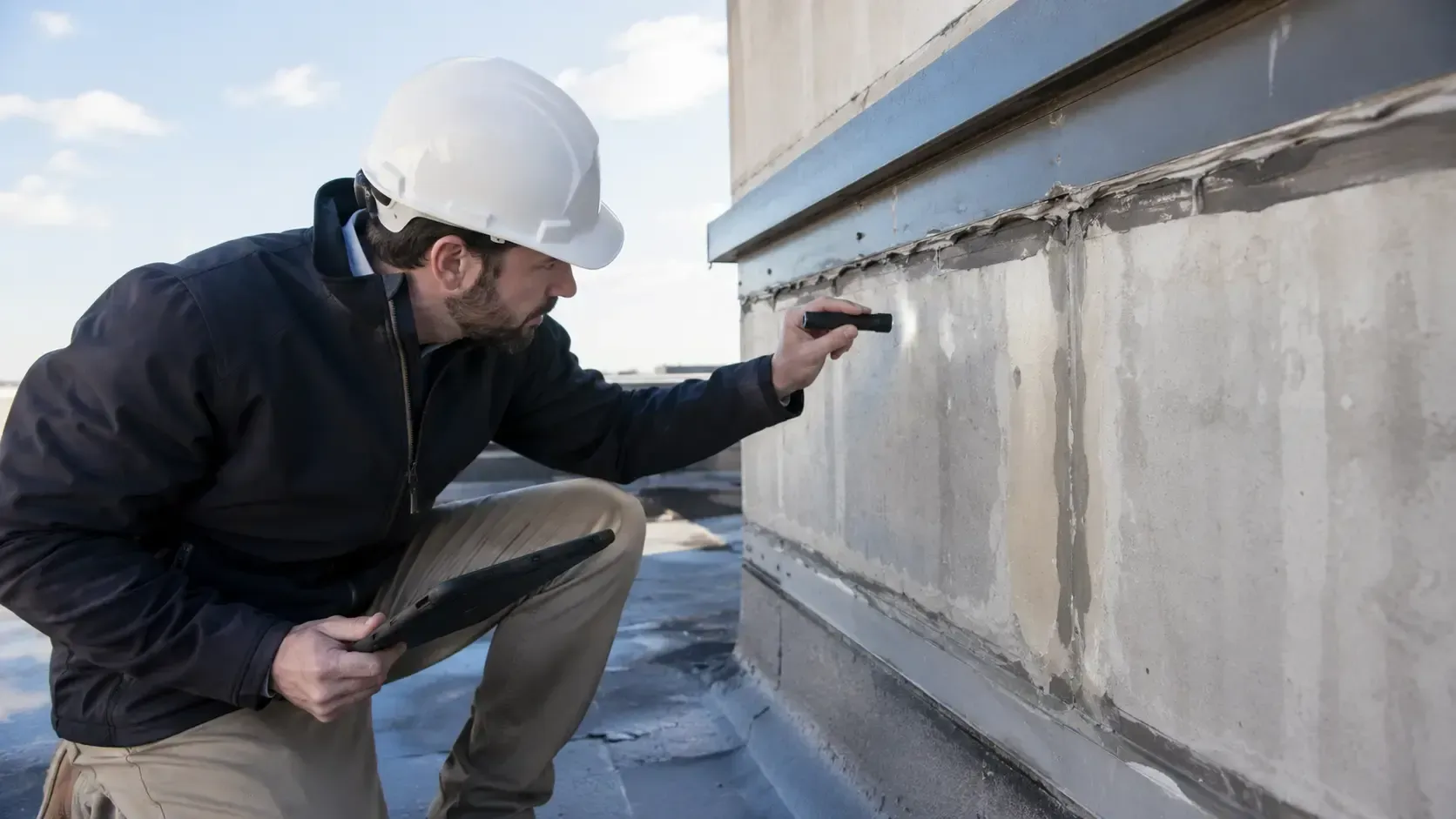
A forensic engineer evaluating construction defects may compare observed conditions with building plans, manufacturer installation requirements when available, construction details, and applicable requirements relevant to the installation.
The purpose of this evaluation is to understand how the component was constructed and whether that condition contributed to the reported failure.
Consider a roof covering that becomes displaced during high winds.
The investigation might assess whether fasteners were properly located, whether the substrate was suitable, whether materials show long-term deterioration, and whether the installation configuration provided the intended resistance.
The ultimate question is not simply whether installation deficiencies exist. It is whether those deficiencies have a technically supported relationship to the observed damage.
The same principle applies to water intrusion.
Improperly installed flashing may create a pathway for rainwater. But if new storm damage created another opening in the building envelope, both conditions may need to be considered.
For this reason, construction failure analysis should evaluate the entire assembly rather than focusing exclusively on one visible deficiency.
Deterioration and Pre-Existing Conditions
Buildings change over time.
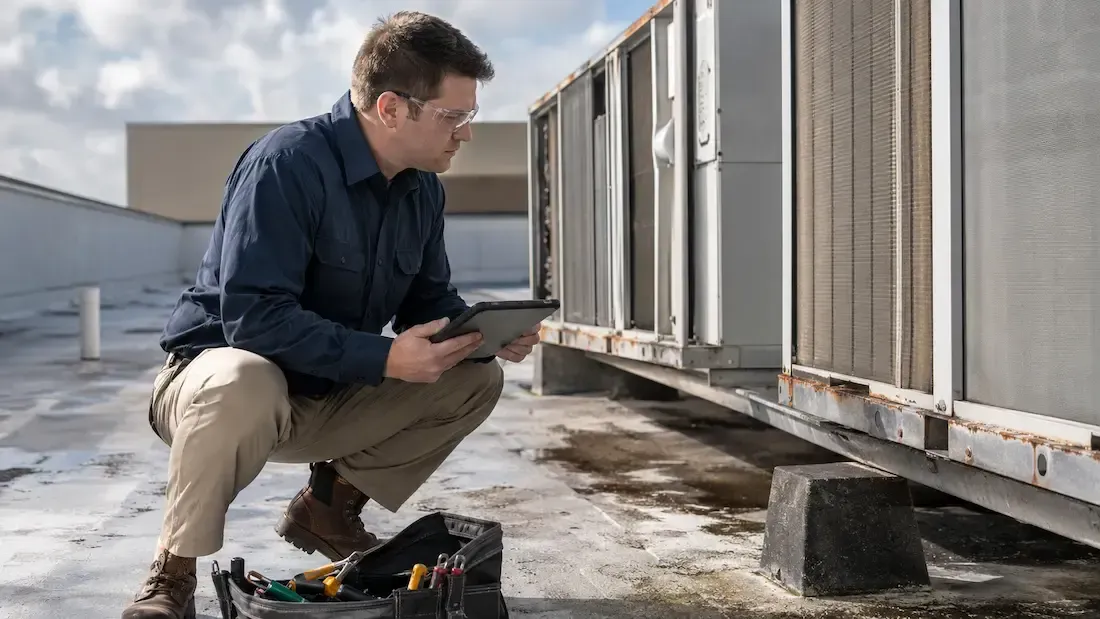
Roofing materials weather. Sealants lose flexibility. Metal components may corrode. Wood may deteriorate when repeatedly exposed to moisture. Exterior finishes can crack. Fasteners and connections can experience long-term environmental exposure.
These conditions may influence how a building performs during a storm and how subsequent damage should be evaluated.
A forensic engineer may look for characteristics suggesting that a condition developed gradually rather than during a single recent event.
Those characteristics may include:
- Corrosion
- Weathering
- Long-term staining
- Repeated moisture exposure
- Material decay
- Previous patching
- Multiple repair layers
- Old sealant failures
- Historical cracking
- Prior contractor repairs
Photographs taken before the reported event can be particularly useful when available.
Historical images may establish whether a visible condition was already present or show how the condition changed over time.
Maintenance and repair documentation may provide additional evidence. Previous roof repairs, recurring leaks, façade work, window repairs, or structural evaluations can help establish the history of a building component.
However, engineers should avoid assuming that an older building necessarily had pre-existing damage responsible for the reported condition.
Age alone is not a cause.
An older component can experience new damage, while a newer component can fail because of installation issues or other conditions.
The relevant question is what the physical evidence shows.
This distinction is important when investigating a
construction defect insurance claim or other property damage dispute because different damage mechanisms may affect the same component at different times.
Frequently Asked Questions
How can an engineer tell the difference between a construction defect and storm damage?
Engineers compare observed damage patterns with construction conditions, installation methods, material deterioration, weather information, maintenance history, photographs, and other available documentation.
The objective is to determine whether the physical evidence is consistent with a recent weather event, a pre-existing construction condition, or multiple contributing factors.
Can improper installation make storm damage worse?
It can, depending on the component and conditions.
Improper attachment, flashing, waterproofing, fastening, or other installation deficiencies may affect how a building component responds to wind or rain. An engineer must evaluate whether the specific deficiency has a supported connection to the observed damage rather than assuming that any installation issue contributed.
Does damage found immediately after a storm mean the storm caused it?
Not necessarily.
The timing of discovery is important, but it does not independently establish causation. Some conditions may have existed previously and become noticeable during or after a storm, while other damage may genuinely result from the recent event.
Physical evidence and available documentation should be evaluated together.
What evidence is useful in a construction defect vs. storm damage investigation?
Useful information may include site photographs, pre-loss photographs, construction plans, repair records, maintenance history, contractor documentation, weather information, measurements, material conditions, installation details, and damage patterns.
The relevance of each type of evidence depends on the specific property and reported loss.
Can both a construction defect and storm damage affect the same building component?
Yes.
A component may have an existing installation deficiency or deterioration and later experience additional damage during a storm. When the evidence permits, engineers may evaluate how different conditions contributed to the observed damage.
The ability to separate those causes depends on the quality and availability of the physical and documentary evidence.
Why Construction Defects and Storm Damage Can Look Similar
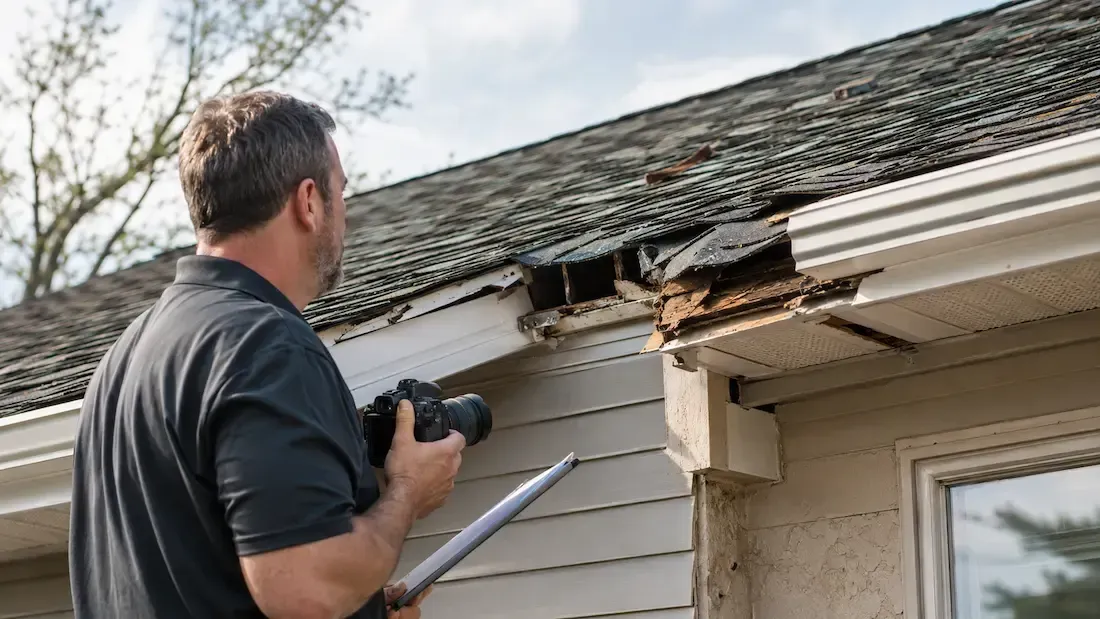
Storm events and construction deficiencies can sometimes create overlapping symptoms.
Wind can loosen exterior materials, damage roof coverings, move flashing, affect siding, or introduce water through damaged building envelope components. At the same time, materials that were improperly installed may already be vulnerable to movement or water intrusion under normal or moderately severe conditions.
This creates an important distinction during a construction defect investigation: the visible condition may be the result of the reported weather event, an existing deficiency revealed by the event, progressive deterioration, or some combination of these factors.
Common conditions that may require additional investigation include:
- Roof covering displacement
- Cracked exterior finishes
- Loose siding or cladding
- Water staining
- Damaged flashing
- Sealant failure
- Window or door leakage
- Interior drywall damage
- Structural cracking
- Fastener failure
- Moisture within wall or roof assemblies
A storm may also draw attention to a condition that existed previously.
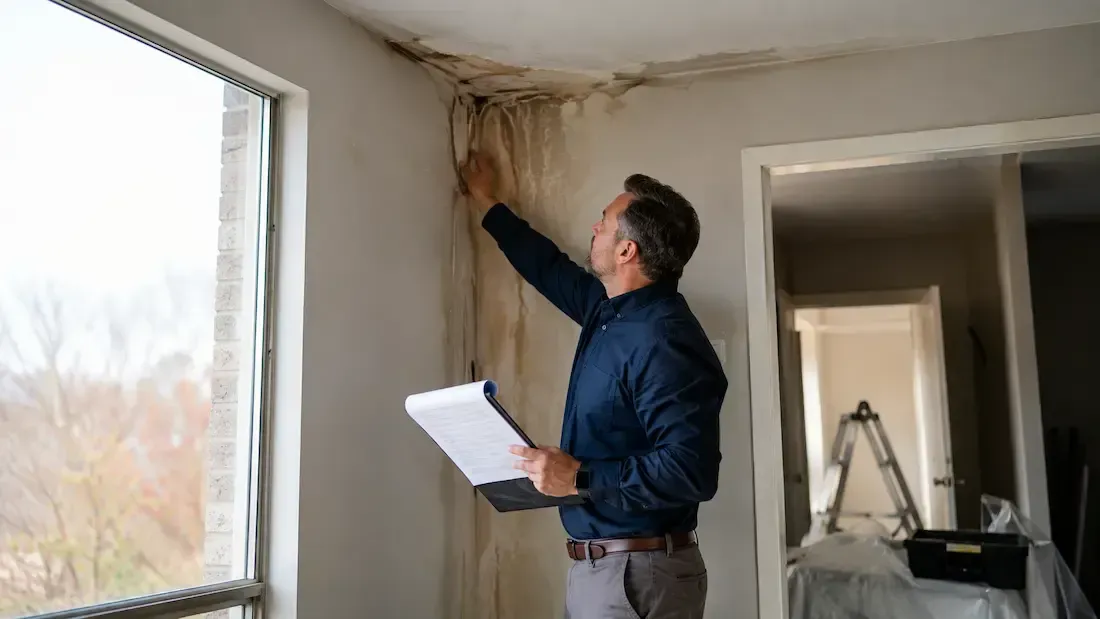
For example, a property owner may first notice interior water staining during a significant rain event. The investigation may then determine whether the water entered through storm-created damage, a long-standing flashing deficiency, deteriorated sealant, improper installation, or another pathway.
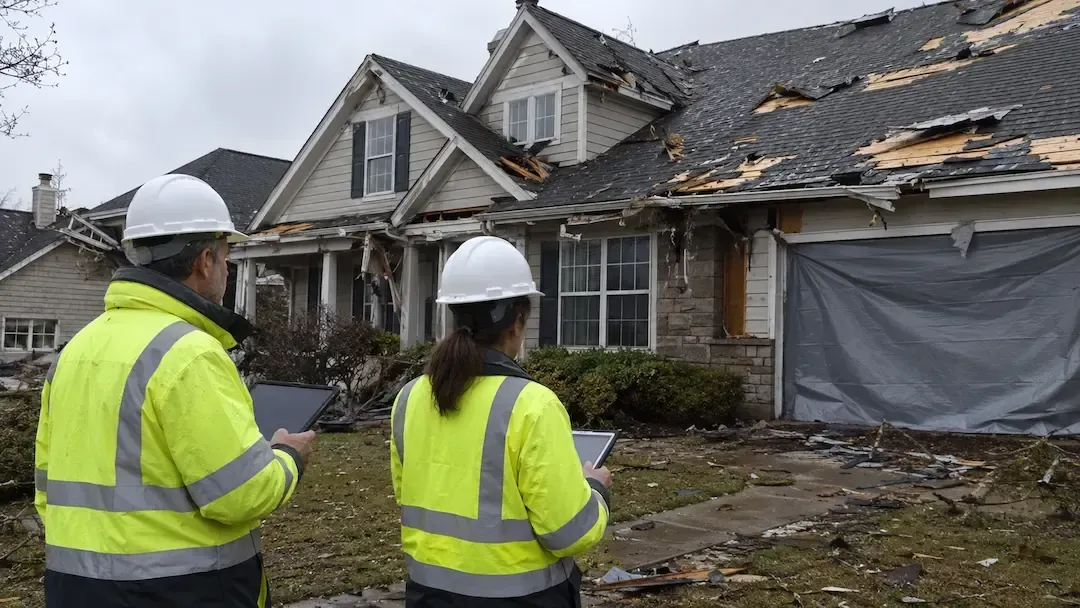
Similarly, roofing materials observed to be displaced after high winds may require evaluation of attachment patterns, fasteners, substrate conditions, installation methods, material deterioration, and the wind conditions reported at the property.
The date when damage was discovered is therefore not necessarily the same as the date when the underlying condition developed.
A forensic engineer attempts to separate these issues by looking for evidence that explains both the damage mechanism and its likely sequence.
Cause and Origin: Evaluating Damage Patterns and Physical Evidence
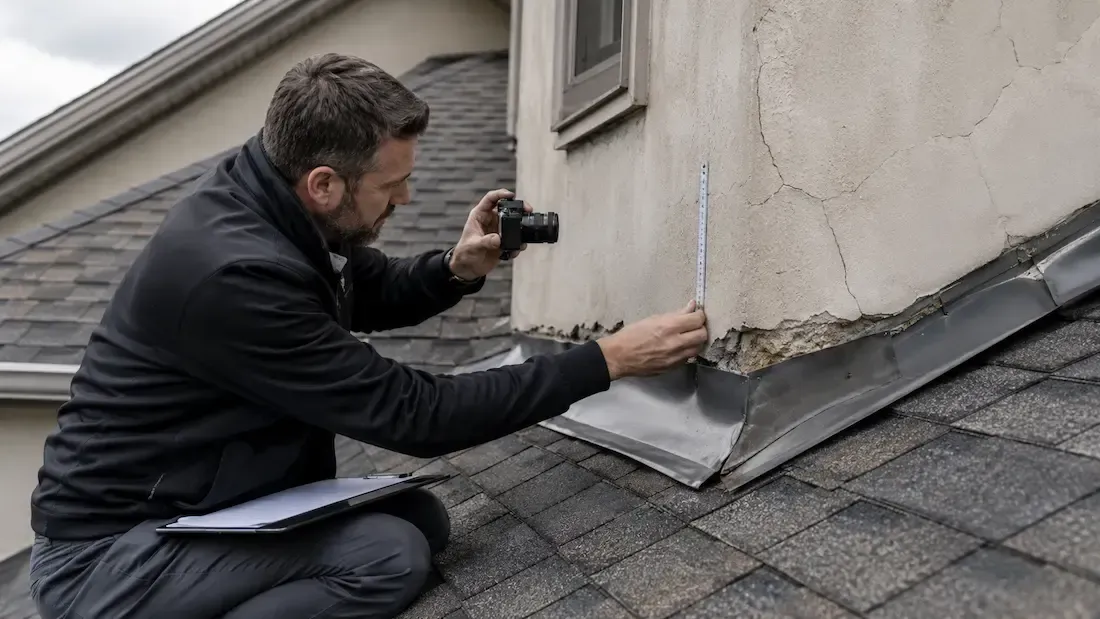
Cause and origin analysis involves identifying both the physical mechanism of damage and the conditions that produced it.
For structural and building envelope conditions, engineers may study whether cracks, fractures, displacement, moisture paths, deformation, and attachment failures form recognizable patterns.
For example, the direction and location of displaced exterior materials may provide useful information. Cracking associated with movement may differ from cracking caused by shrinkage, long-term settlement, thermal movement, impact, or construction-related conditions.
Water intrusion investigations may require tracing the path from the interior symptoms toward possible exterior entry points.
Engineers may evaluate:
- Moisture staining patterns
- Roof-to-wall intersections
- Flashing conditions
- Exterior penetrations
- Window openings
- Sealant joints
- Drainage paths
- Roof drainage components
- Wall transitions
- Material interfaces
Water can travel within concealed construction assemblies before becoming visible inside the building. As a result, the location of an interior stain may not directly correspond to the actual entry point.
A storm damage investigation may also involve reviewing weather information relevant to the reported date of loss. Wind speeds, wind direction, precipitation, hail reports, and other available data can be compared with observed building conditions.
Weather information is useful context, but it should generally be considered alongside physical evidence.
The fact that strong winds or heavy rain occurred near a property does not independently establish the cause of every condition found during an inspection.
Similarly, the presence of an older construction deficiency does not automatically rule out new storm-related damage.
The engineer's analysis should consider whether multiple causes contributed to the observed condition and whether the evidence allows those contributions to be differentiated.
How Engineering Findings Help Clarify Structural Damage Causation
When the origin of property damage is uncertain, engineering findings can provide an organized technical record of the observed conditions and the evidence used to evaluate causation.
A forensic engineering report may describe the areas inspected, materials observed, damage patterns, relevant building conditions, available documentation, weather information, photographs, measurements, and the reasoning supporting the engineer's conclusions.
Depending on the assignment, the engineer may evaluate whether conditions are consistent with:
- A recent storm event
- Improper installation
- Construction deficiencies
- Long-term deterioration
- Pre-existing damage
- Structural movement
- Water intrusion
- Material failure
- Multiple contributing causes
These findings can be particularly useful when contractors, property owners, adjusters, attorneys, building professionals, or other stakeholders have different opinions regarding the source or extent of the damage.
A Building Consulting evaluation may also complement engineering findings when the investigation involves repair scope, construction conditions, damage documentation, or other building-related considerations.
Properties with significant structural concerns may require additional Forensic Structural Engineering evaluation, while widespread losses involving multiple properties or building systems may benefit from coordinated Catastrophe Response services.
The purpose of these evaluations is to provide objective technical information rather than to determine insurance coverage.
An engineer can evaluate whether physical evidence supports a particular damage mechanism, but insurance coverage depends on the applicable policy and circumstances.
Texas Piers Consulting provides engineering and building consulting services for property damage investigations involving questions of causation, building performance, structural conditions, construction deficiencies, and storm-related damage.
When the primary question is construction defect vs storm damage, an independent technical evaluation can help distinguish assumptions based on timing from conclusions supported by physical evidence.
You might also like