
Repair or Replace? How Building Consultants Evaluate Property Damage Claims
Determining repair vs replacement after property damage is rarely based on the appearance of a damaged component alone. A roof section, exterior wall system, interior finish, flooring assembly, structural component, or other building material may appear repairable at first glance, but the actual scope can depend on damage extent, access requirements, material availability, compatibility, construction methods, applicable requirements, and the expected performance of the completed repair.
The opposite is also true. Visible damage does not automatically mean an entire building component or assembly needs to be replaced. In many cases, targeted repairs may restore the affected area when the extent of damage can be reasonably identified and the repair can be performed without compromising adjacent materials or system performance.
A Building Consulting evaluation can help organize these technical and construction-related considerations. Building consultants may review site conditions, contractor estimates, repair proposals, photographs, plans, material information, measurements, and other documentation to better understand what was damaged and what work may reasonably be required.
The objective is not to begin with a preferred outcome. Instead, a
building damage assessment should evaluate the available evidence and determine whether repair, partial replacement, or broader replacement is technically supported by the conditions observed.
Repair Feasibility: Can the Damaged Component Be Restored?
Once the extent of damage is understood, repair feasibility becomes a central consideration.
A component may be physically damaged but still capable of being repaired. In other situations, attempting a localized repair may require so much dismantling, reconstruction, or modification that replacement of a larger section becomes technically more practical.
Building consultants may consider whether the proposed repair can:
- Access the damaged area
- Remove affected materials safely and effectively
- Restore connections
- Integrate with surrounding construction
- Maintain drainage and weather resistance
- Preserve structural or functional performance
- Use compatible materials
- Be completed without causing unnecessary damage to adjacent components
Accessibility can significantly affect a property damage repair scope.
For example, a concealed component behind finished walls may require removal and later restoration of otherwise undamaged finishes. Roofing or building envelope components may be layered in a way that prevents replacement of one element without temporarily removing surrounding materials.
The distinction between damage and access is important.
Some materials may need to be removed because they obstruct access to damaged components even though those materials were not themselves damaged by the original event. A technically supported repair scope should explain why such work is necessary rather than simply grouping all removed components together as direct damage.
Repair methods also need to consider how the completed assembly will function.
A repair that addresses appearance but fails to restore weather resistance, structural continuity, drainage, attachment, or mechanical performance may not provide a technically appropriate solution.
Conversely, complete replacement should not be assumed merely because a seamless repair is more difficult.
The question is whether a practical repair can restore the required function and performance of the affected building component under the site-specific conditions.
Building Codes, Access Requirements, and Repair Scope
Repairs often involve more than removing a damaged material and installing a new one.
The existing construction configuration, access conditions, and applicable construction requirements may influence how the work must be performed.
Depending on the project and jurisdiction, a consultant may review building plans, construction documents, product information, and requirements applicable to the proposed work. When specialized code interpretation is necessary, the appropriate design or engineering professionals may also need to be involved.
A property damage repair scope may account for items such as:
- Removal required to reach damaged components
- Protection of adjacent finishes
- Temporary supports or protection where necessary
- Removal and reinstallation of connected components
- Substrate repairs
- Flashing or waterproofing transitions
- Connections between new and existing materials
- Required inspections
- Restoration of finishes after access
- Site-specific construction constraints
These issues can significantly change the amount of work associated with what initially appears to be a limited repair.
Consider a damaged window assembly.
The direct damage may involve the window itself, but replacement could also require removal of interior trim, exterior finishes, sealants, flashing, or surrounding materials to properly remove and install the unit. Those operations may then require restoration after the new window is in place.
Similarly, access to damaged structural framing may require removal of drywall, insulation, flooring, ceiling finishes, or exterior materials.
Understanding these relationships is one reason a detailed building damage assessment can be more useful than evaluating contractor totals alone.
Repair scopes should describe what work is necessary and why.
A properly developed scope can help distinguish the damaged component, access work, associated restoration, and upgrades or unrelated work that may appear within the same contractor proposal.
Frequently Asked Questions
How do building consultants decide whether property damage should be repaired or replaced?
Building consultants evaluate the extent and severity of damage, accessibility, material condition, repair methods, compatibility with surrounding construction, existing deterioration, applicable construction requirements, contractor scopes, and expected performance of the completed work.
The appropriate conclusion depends on the specific building and available evidence.
Does property damage automatically require complete replacement?
No.
Damage to one portion of a building component does not automatically establish that the entire assembly requires replacement. In some situations, targeted repairs may be technically feasible. In others, access requirements, material conditions, integration issues, or the extent of damage may support a broader scope.
The determination should be based on site-specific conditions.
What is included in a property damage repair scope?
A repair scope may include removal of damaged materials, access work, demolition, replacement materials, labor, temporary protection, connections to existing construction, finishing work, and restoration of components removed to perform the repair.
The exact scope depends on the construction and damaged area.
Why can repair and replacement estimates be so different?
Estimates can differ because contractors or consultants may use different assumptions regarding quantities, materials, access, labor, demolition, repair methods, or the extent of replacement.
Comparing the underlying scope is often more useful than comparing total prices alone.
Can a building consultant determine whether a contractor estimate is reasonable?
A building consultant may evaluate whether the proposed scope, quantities, construction methods, and repair assumptions are consistent with observed property conditions.
Cost analysis can also help compare repair and replacement approaches. However, conclusions depend on the information available, local construction conditions, and the specific scope being reviewed.
How Building Consultants Evaluate the Extent of Property Damage
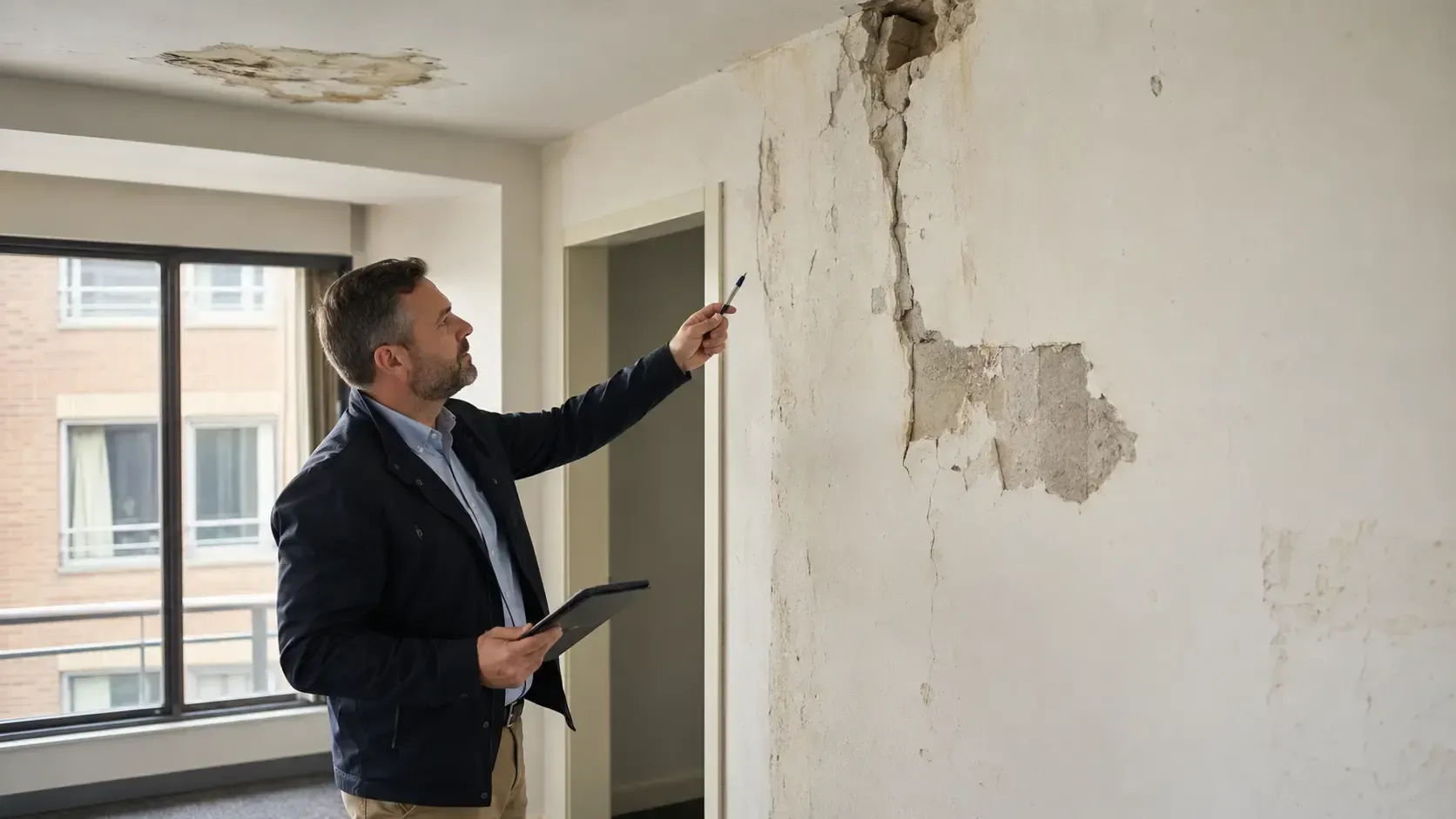
Before determining whether repair or replacement is appropriate, the first question is usually: What is actually damaged?
Visible damage may represent only part of the affected area. Water can migrate behind finishes. Impact can affect concealed connections. Roofing damage may extend beneath surface materials. Exterior envelope failures can involve flashing, underlayment, insulation, sheathing, or adjacent components that are not immediately visible.
At the same time, an isolated damaged component should not automatically be treated as evidence that an entire system is compromised.
A building consultant may evaluate:
- Location of visible damage
- Type and severity of damage
- Adjacent materials and assemblies
- Moisture or water migration
- Existing construction conditions
- Previous repairs
- Material deterioration
- Accessibility of concealed components
- Photographs from before and after the reported event
- Contractor documentation
- Measurements and quantities
- Available building plans
The investigation may also consider how a damaged component interacts with the surrounding building assembly.
For example, replacing a limited section of exterior cladding might require removal of adjacent materials to properly access flashing or attachment points. A localized roof repair may require evaluation of underlayment or decking conditions. Interior water damage may extend beyond the visibly stained finish if moisture migrated into insulation or concealed cavities.
A thorough damage scope review attempts to separate confirmed damage from assumptions.
When conditions are concealed, additional investigation may sometimes be necessary before the full scope can be established. Depending on the circumstances, this might include controlled exploratory openings, moisture evaluation, material examination, or coordination with other professionals.
The appropriate scope should reflect what can reasonably be supported by site-specific evidence.
Material Compatibility, Availability, and Remaining Useful Life
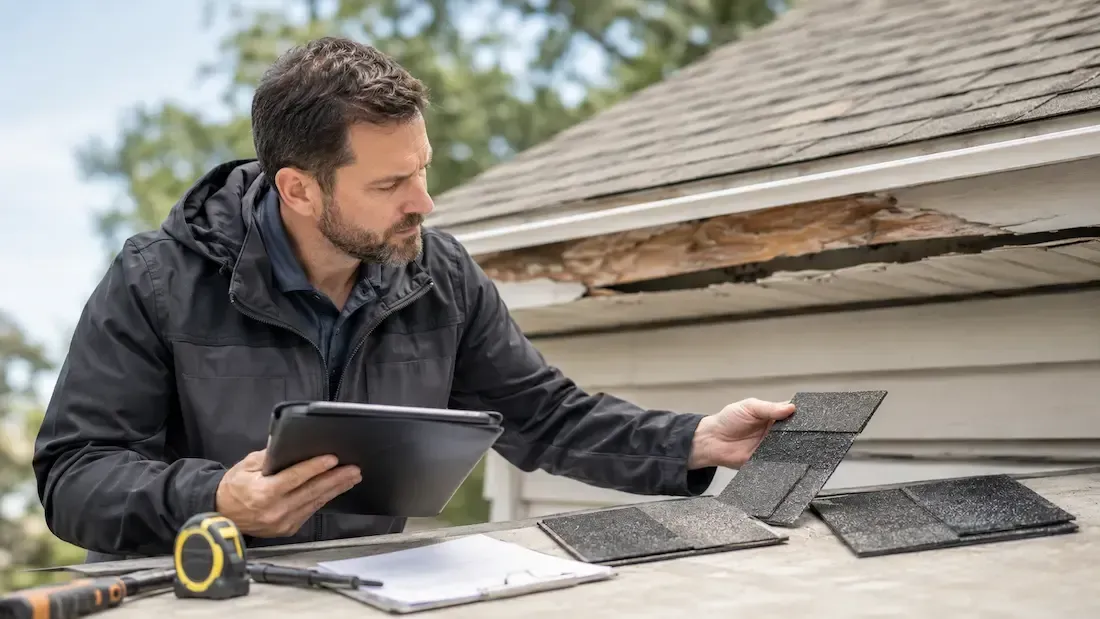
Building materials do not exist independently. Roofing, siding, flooring, wall systems, structural assemblies, coatings, waterproofing components, and interior finishes often depend on adjacent materials to function properly.
When evaluating repair vs replacement property damage, consultants may therefore consider whether new repair materials can be integrated with existing construction.
Material compatibility can involve:
- Dimensions
- Thickness
- Profiles
- Attachment methods
- Physical properties
- Weather resistance
- Manufacturer requirements
- Transition details
- Existing substrate conditions
A replacement material does not always need to be identical in every respect to function properly, but differences can affect how a repair is designed and executed.
Material availability may also influence repair feasibility.
Certain products may no longer be manufactured, while others may have changed in dimension, profile, attachment method, or composition. When the original material is unavailable, the investigation should evaluate whether a technically compatible substitute exists and what modifications may be required.
The condition of the surrounding materials is another consideration.
If adjacent components are significantly deteriorated, attaching new material to them may not provide the intended long-term performance. However, the mere age of a building component does not automatically justify replacement.
Remaining useful life should be considered in context.
A relatively old roof, wall system, or mechanical component may still be functional. A newer system may contain localized construction problems. Age can help explain condition, but it should not be treated as a substitute for physical evidence.
Consultants may evaluate signs such as corrosion, cracking, weathering, previous repairs, moisture exposure, loss of material integrity, and other deterioration when determining whether an existing assembly can reasonably support a repair.
Repair Cost Analysis vs. Replacement Cost Analysis
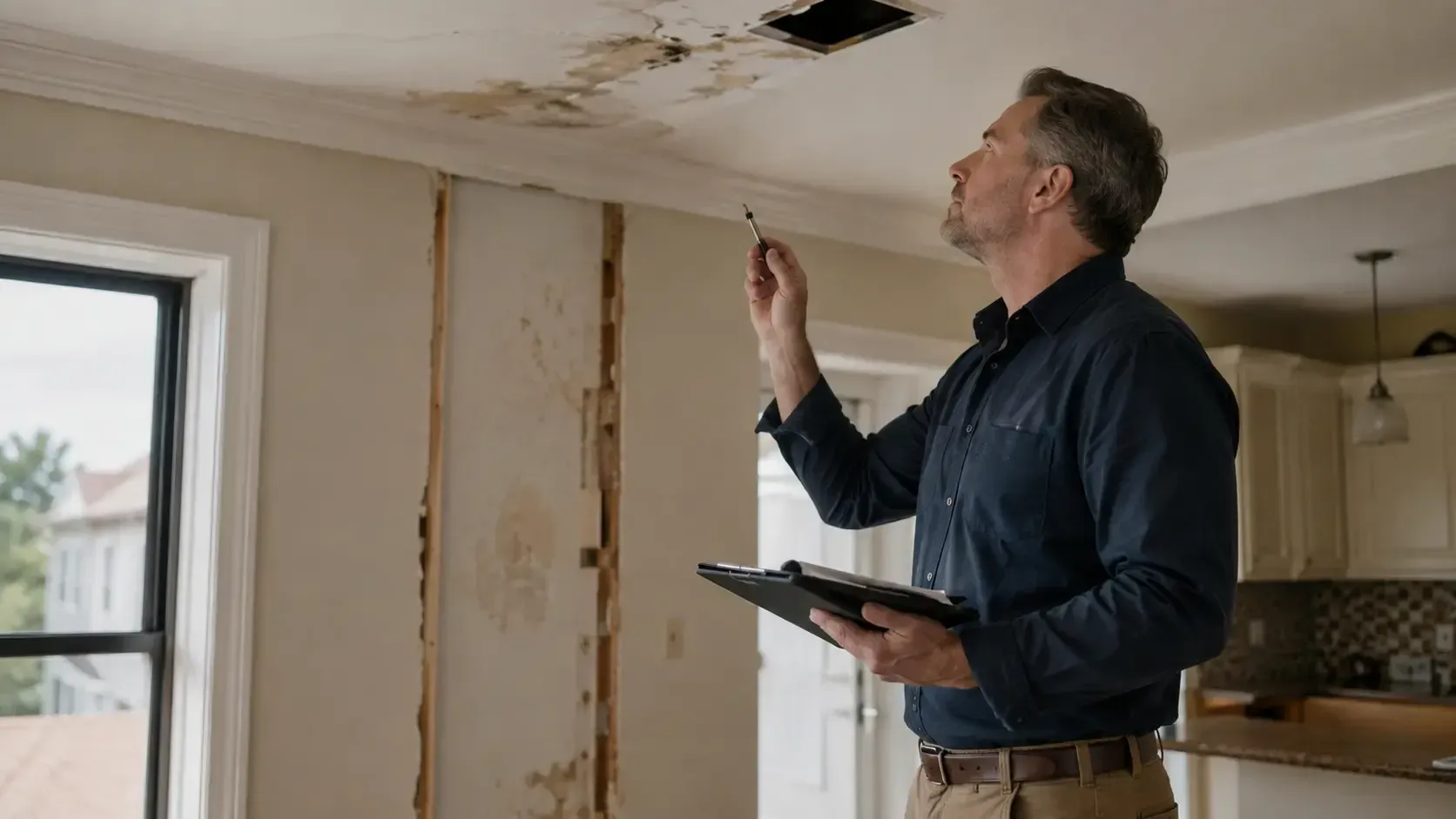
Once the physical scope has been evaluated, cost becomes another major factor.
A repair cost analysis should generally reflect the work actually required to perform the repair—not simply the cost of the primary damaged material.
Depending on the project, repair costs may include:
- Demolition
- Access work
- Material removal
- Labor
- New materials
- Equipment
- Temporary protection
- Disposal
- Reinstallation
- Finishing work
- Associated restoration
Replacement estimates may involve a different scope and potentially different quantities, labor requirements, access needs, and construction methods.
This is why comparing the total price of two contractor estimates without comparing their underlying scopes can be misleading.
One contractor may propose limited repair while another assumes replacement of an entire assembly. They may include different quantities, materials, labor, access work, or ancillary construction.
A building consultant may perform a damage scope review to determine whether competing estimates are actually describing the same work.
The evaluation can include:
- What quantities are being repaired or replaced?
- What materials are specified?
- What demolition and access work is included?
- Are the same building components addressed?
- Do the proposed methods reflect observed site conditions?
- Are unrelated improvements included?
- Are necessary restoration items omitted?
A replacement cost analysis can likewise require more than simply multiplying an area by a unit price. Full replacement can create additional demolition, staging, access, disposal, material, labor, and restoration requirements.
The lowest-cost option is not automatically the technically appropriate option. Likewise, the most comprehensive or expensive proposal is not necessarily required.
The objective is to determine which scope is supported by the observed damage and what cost considerations reasonably follow from that scope.
You might also like