
Common Electrical Damage Found in Property Insurance Claims
Why Electrical Damage Requires a Detailed Investigation

Electrical systems are often affected when a property experiences a fire, storm, water intrusion, power surge, or other damaging event. However, electrical damage is not always immediately visible. A building may appear safe while concealed wiring, electrical panels, outlets, appliances, or connected equipment have sustained damage that could create operational or safety concerns.
In property insurance claims, identifying the cause and extent of electrical damage is essential. The investigation may help determine whether the damage resulted from a covered event, an existing condition, improper installation, normal deterioration, or a combination of factors.
A qualified electrical damage assessment typically involves more than confirming that a device no longer works. The investigator may need to evaluate the property’s electrical distribution system, review the reported sequence of events, inspect damaged components, conduct electrical testing, and compare physical evidence with the claimed cause of loss.
This process can help property owners, insurance carriers, adjusters, attorneys, and contractors make more informed decisions regarding repairs, replacement, safety, and claim resolution.
Electrical Fire and Heat Damage
Electrical fires can begin when excessive heat, arcing, overloading, loose connections, damaged wiring, or equipment failure ignites nearby combustible materials. After a fire, electrical components may also sustain secondary damage from heat, smoke, firefighting water, and physical disturbance.
Electrical damage commonly observed in fire-related claims includes:
- Melted conductor insulation
- Burned receptacles and switches
- Damaged circuit breakers
- Charred electrical panels
- Arcing marks on conductors
- Heat-damaged junction boxes
- Failed appliances or equipment
- Smoke contamination inside electrical components
One of the central questions in a fire investigation is whether the electrical damage caused the fire or occurred because of the fire. Electrical wiring exposed to flames may melt, arc, or short circuit even when the electrical system was not the original ignition source.
Investigators therefore examine burn patterns, arc locations, conductor damage, breaker conditions, appliance components, and the progression of the fire. They may also determine whether circuits were energized during the event and whether the damage originated inside or outside an electrical device.
Careful documentation is important because fire cleanup and demolition can remove evidence. Whenever possible, damaged electrical components should remain undisturbed until the appropriate professionals have inspected them.
Damaged Electrical Panels and Circuit Breakers

The electrical panel distributes power throughout a building and contains protective devices intended to interrupt unsafe electrical conditions. Damage to the panel or its circuit breakers can affect multiple areas of the property and may increase the risk of fire, shock, or repeated equipment failure.
Electrical panels may be damaged by:
- Fire or excessive heat
- Water intrusion and corrosion
- Lightning and power surges
- Loose electrical connections
- Improperly installed breakers
- Overloaded circuits
- Physical impact
- Manufacturing or component defects
- Long-term deterioration
Common warning signs include burned conductors, discolored bus bars, rust, water staining, melted insulation, unusual odors, buzzing sounds, repeated breaker trips, and evidence of overheating around connection points.
A tripped breaker does not necessarily mean the breaker is defective. It may have operated correctly in response to an overload, short circuit, ground fault, or equipment failure. Conversely, a breaker that appears normal externally may contain internal damage.
An inspection may involve removing the panel cover, examining connections, testing circuits, checking for moisture or heat damage, and evaluating whether the breakers are properly matched to the panel and connected loads.
When extensive damage is present, replacing only the visibly affected breaker may not address damage to the panel enclosure, bus assembly, service conductors, grounding system, or connected branch circuits.
Frequently Asked Questions About Electrical Damage Claims
What are the most common types of electrical damage in property insurance claims?
Common examples include surge damage, lightning damage, burned wiring, damaged panels, failed circuit breakers, water-exposed electrical components, damaged appliances, HVAC control failures, and fire-related electrical damage.
How can you tell whether an appliance was damaged by a power surge?
The appliance may need to be tested and inspected internally. Evidence can include damaged power supplies, burned circuit boards, failed capacitors, arcing, or simultaneous failures involving multiple connected devices. The timing of the failure by itself may not prove that a surge caused the damage.
Should electrical equipment be replaced after water exposure?
Not every water-exposed component requires automatic replacement, but it should not be energized until it has been properly evaluated. The appropriate action depends on the equipment type, extent of exposure, contamination, corrosion, testing results, manufacturer guidance, and applicable safety requirements.
Can electrical wiring be damaged even when there are no visible burn marks?
Yes. Wiring insulation, connections, and internal components can be damaged by heat, moisture, overvoltage, or mechanical stress without obvious exterior evidence. Electrical testing may be necessary to identify concealed damage.
Does a tripped circuit breaker mean the breaker is damaged?
Not necessarily. A breaker may trip because it is responding correctly to an unsafe electrical condition. The circuit, connected equipment, wiring, and breaker should be evaluated to determine what caused the trip.
Who should inspect electrical damage for an insurance claim?
The appropriate professional depends on the claim. Licensed electricians can identify and repair many electrical problems. When causation, disputed damage, complex equipment, fire origin, or claim scope is involved, a forensic electrical engineer may be needed.
What should property owners do after suspected electrical damage?
Avoid touching damaged components, unplug equipment only when it is safe to do so, document visible conditions, and contact qualified professionals. Water-exposed, burned, or visibly damaged electrical systems should not be energized before inspection.
Why is an independent electrical investigation important?
An independent investigation can help distinguish event-related damage from aging, wear, improper installation, maintenance issues, or pre-existing conditions. It can also provide clear technical documentation to support repair decisions and help the parties evaluate the insurance claim.
Power Surge and Overvoltage Damage
Power surges are among the most frequently reported electrical issues in property insurance claims. A surge occurs when electrical voltage rises above the level that a device or electrical system is designed to handle.
Surges may originate from outside or inside the property. External causes can include lightning, utility switching events, damaged power lines, transformer problems, or the restoration of electricity following an outage. Internal surges may occur when high-powered equipment, motors, compressors, or appliances cycle on and off.
Electrical components commonly associated with surge-related claims include:
- Televisions and entertainment systems
- Computers, servers, and networking equipment
- HVAC control boards
- Refrigerators and kitchen appliances
- Security and access-control systems
- Smart home devices
- Garage door openers
- Electrical panels and surge-protection devices
- Commercial machinery and electronic controls
A device that stopped working after a storm or outage was not necessarily damaged by a power surge. The timing of a failure alone does not establish causation. An investigation may examine internal components for evidence such as burned circuit boards, damaged capacitors, failed power supplies, melted conductors, or arcing.
Investigators may also review whether several devices failed simultaneously, whether the affected equipment was connected to the same circuit, and whether functioning surge protection was installed. These details can help determine whether the reported damage pattern is consistent with an overvoltage event.
Lightning-Related Electrical Damage

Lightning can damage a property through a direct strike, a nearby strike, or a surge transmitted through utility, communication, cable, or grounding systems. Because lightning can travel through multiple pathways, the resulting damage may affect components located throughout the building.
Common areas evaluated after a suspected lightning event include:
- Electrical service entrances
- Main and subpanels
- Grounding and bonding systems
- Branch-circuit wiring
- Low-voltage wiring
- Internet and communication equipment
- HVAC systems
- Appliances and electronic devices
- Security, fire alarm, and automation systems
A direct lightning strike may produce obvious evidence, including burned materials, damaged roofing, fractured masonry, melted metal, or significant electrical arcing. Nearby strikes can be more difficult to evaluate because the damage may be limited to sensitive electronic components.
The investigation may include examining the location of the reported strike, reviewing weather and lightning data, inspecting the grounding system, and documenting the failure patterns of affected equipment.
Not every electrical failure discovered after a thunderstorm is caused by lightning. Devices may fail because of aging, overheating, manufacturing defects, maintenance issues, or unrelated electrical conditions. A forensic evaluation helps determine whether the observed evidence is consistent with the reported lightning event.
Water Intrusion and Moisture Damage
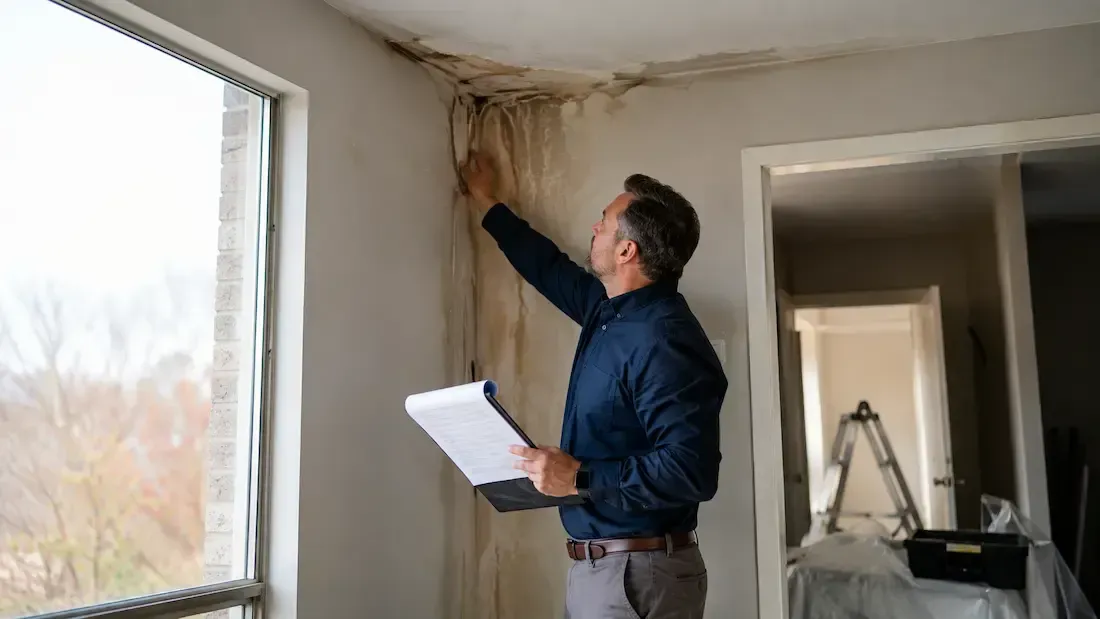
Water and electricity are a hazardous combination. Electrical systems may be affected by roof leaks, plumbing failures, flooding, storm-driven rain, fire-suppression activities, or prolonged exposure to high moisture levels.
Water intrusion may damage:
- Electrical panels
- Circuit breakers
- Receptacles and switches
- Junction boxes
- Wiring connections
- Light fixtures
- HVAC equipment
- Appliances
- Generators and transfer switches
- Low-voltage and communication systems
Moisture can lead to corrosion, contamination, insulation breakdown, short circuits, and reduced reliability. Some electrical devices may continue functioning after exposure but fail days, weeks, or months later as corrosion progresses.
The presence of water near an electrical component does not automatically mean the component requires replacement. The appropriate response depends on the type of equipment, the severity and duration of exposure, the source of the water, visible corrosion, manufacturer guidance, and applicable safety standards.
Testing may include insulation-resistance measurements, continuity checks, visual inspection of internal components, and evaluation of grounding and bonding systems. Energizing water-exposed electrical equipment without a proper inspection may create a shock, fire, or equipment-damage risk.
Appliance, HVAC, and Equipment Failures

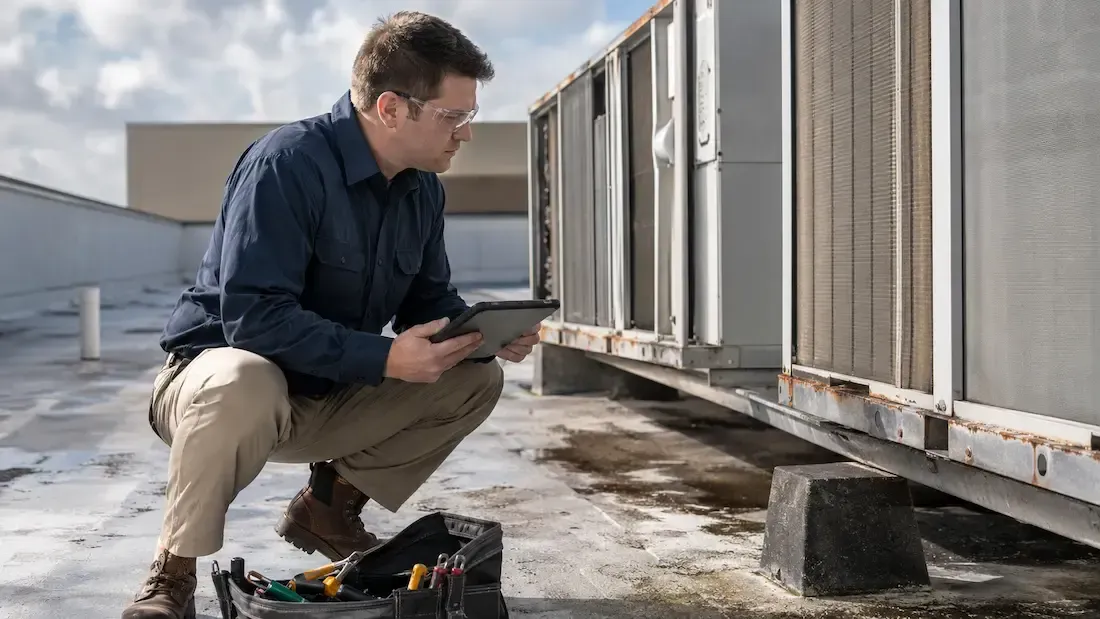
Property insurance claims frequently include damaged appliances, HVAC systems, pumps, motors, electronics, and commercial equipment. These items contain electrical and mechanical components, which can make it difficult to determine why a failure occurred.
For example, an air-conditioning system that stops operating after a storm may have experienced damage to its compressor, capacitor, control board, contactor, transformer, wiring, or disconnect. The failure could also be related to wear, inadequate maintenance, refrigerant problems, blocked airflow, or a previous condition.
Equipment commonly evaluated in electrical damage claims includes:
- Air-conditioning systems
- Furnaces and heat pumps
- Refrigerators and freezers
- Washing machines and dryers
- Ovens and dishwashers
- Pool and well pumps
- Water heaters
- Elevators and access systems
- Commercial refrigeration equipment
- Manufacturing and office equipment
A detailed evaluation may involve operational testing, electrical measurements, internal component inspection, manufacturer specifications, service records, and analysis of the equipment’s age and condition.
The goal is not simply to determine whether the equipment works. The investigation should establish which component failed, how it failed, whether the damage can be repaired, and whether the failure is consistent with the reported event.
You might also like