
How Engineers Evaluate Structural Damage After a Storm
Why Storm Damage Should Be Evaluated by a Structural Engineer

After a major storm, visible damage is often only part of the problem. High winds, heavy rainfall, flooding, flying debris, and soil movement can affect the structural integrity of a home or commercial building in ways that are not immediately obvious. While missing shingles, broken windows, or water stains may be easy to spot, deeper issues can develop in the foundation, framing, roof structure, walls, columns, beams, and load-bearing components.
A structural engineer evaluates whether the building is still safe, whether the damage is cosmetic or structural, and what repairs may be required to restore stability. This is especially important after hurricanes, severe thunderstorms, tornadoes, hailstorms, or prolonged periods of heavy rain.
For property owners, getting a professional inspection early can help prevent minor storm-related issues from becoming major structural problems. It can also provide documentation for insurance claims, repair planning, and future safety decisions.
How Engineers Determine If Damage Is Structural
Not all damage after a storm is structural. Some damage may be cosmetic, such as minor surface cracks, paint damage, or isolated water stains. Structural damage, however, affects the components that support, stabilize, or transfer loads through the building.
A structural engineer evaluates whether the damage impacts load-bearing walls, beams, columns, roof framing, floor systems, foundations, piers, slabs, or other critical structural elements. They also consider whether the damage has changed the way the building distributes weight or resists wind, gravity, and lateral forces.
For example, a small drywall crack may not be a major concern by itself. But if that crack is accompanied by foundation movement, sloped floors, roof sagging, or wall separation, it may indicate a larger structural issue.
Engineers use their training to distinguish between normal building movement, age-related wear, pre-existing conditions, and storm-related structural damage. This distinction is important for repair recommendations and insurance documentation.
Foundation and Soil Movement After Heavy Rain or Flooding

In Texas, storm damage is often connected to soil movement. Heavy rainfall, flooding, and poor drainage can cause soil to expand, wash away, or lose stability around the foundation. When the soil beneath or around a structure changes, the foundation can shift, settle, or become uneven.
Foundation-related storm damage may appear as stair-step cracks in brick, separation around doors and windows, uneven floors, cracked slabs, or gaps between walls and ceilings. In some cases, water may also collect near the foundation, increasing the risk of long-term movement or erosion.
A structural engineer may evaluate the foundation elevation, visible cracking, drainage patterns, soil conditions, and signs of differential settlement. The goal is to determine whether the foundation is performing properly or whether storm-related conditions have compromised its support.
Early evaluation is especially important because foundation issues can worsen over time if water management problems are not corrected.
FAQs
What is considered structural damage after a storm?
Structural damage refers to damage that affects the building’s load-bearing or support systems. This may include the foundation, roof framing, beams, columns, walls, floor systems, or other components that help keep the structure stable.
How do I know if storm damage is structural or cosmetic?
Cosmetic damage usually affects finishes such as paint, drywall surfaces, or minor exterior materials. Structural damage may involve cracks, movement, sagging, shifting, or damage to load-bearing components. A structural engineer can determine the difference through a professional inspection.
Should I call a structural engineer before filing an insurance claim?
In many cases, yes. An engineer’s report can provide clear documentation of the damage, possible causes, and recommended repairs. This can help support the insurance claim process and reduce confusion between cosmetic and structural issues.
Can heavy rain cause structural damage?
Yes. Heavy rain can affect drainage, soil stability, and foundation performance. If water collects around the foundation or causes soil erosion, the structure may experience settlement, movement, or cracking.
Is roof damage after a storm always structural?
Not always. Some roof damage may only affect shingles or exterior roofing materials. However, high winds or impact from debris can also damage roof framing, decking, or structural connections. An inspection can determine the extent of the damage.
How soon should I schedule an inspection after a storm?
You should schedule an inspection as soon as possible if you notice cracks, roof sagging, water intrusion, foundation movement, or any condition that makes the building feel unsafe. Early evaluation can help prevent further damage.
Can a structural engineer help with repair recommendations?
Yes. A structural engineer can identify the damaged areas and recommend appropriate repairs. In some cases, they may also provide engineering documentation needed for contractors, permits, or insurance purposes.
What should I do if I think my home is unsafe after a storm?
If you believe the structure is unsafe, avoid entering damaged areas and contact the appropriate local authorities or emergency services if needed. After immediate safety concerns are addressed, schedule a structural evaluation before beginning repairs.
Common Signs of Structural Damage After a Storm
Storm damage can appear in many forms depending on the type of weather event and the condition of the building before the storm. Some signs may be obvious, while others may require a trained professional to identify.
Common signs of structural damage after storm conditions include cracks in interior or exterior walls, doors or windows that suddenly stick, uneven floors, sagging rooflines, water intrusion near the foundation, leaning chimneys, damaged beams, separated brickwork, and gaps around windows or doors.
Roof damage is also a major concern. Strong winds can lift roofing materials, loosen connections, or damage the roof framing beneath the visible surface. Heavy rainfall can also expose drainage problems that lead to foundation movement or moisture-related deterioration.
Even if a building appears stable, hidden structural damage may exist behind drywall, under roofing materials, or within the foundation system. That is why a professional evaluation is recommended when there are signs of movement, cracking, water intrusion, or impact damage after a storm.
The First Step: Visual Inspection of the Property

The evaluation process usually begins with a detailed visual inspection. The structural engineer examines both the exterior and interior of the property to look for visible indicators of movement, distress, impact, or deterioration.
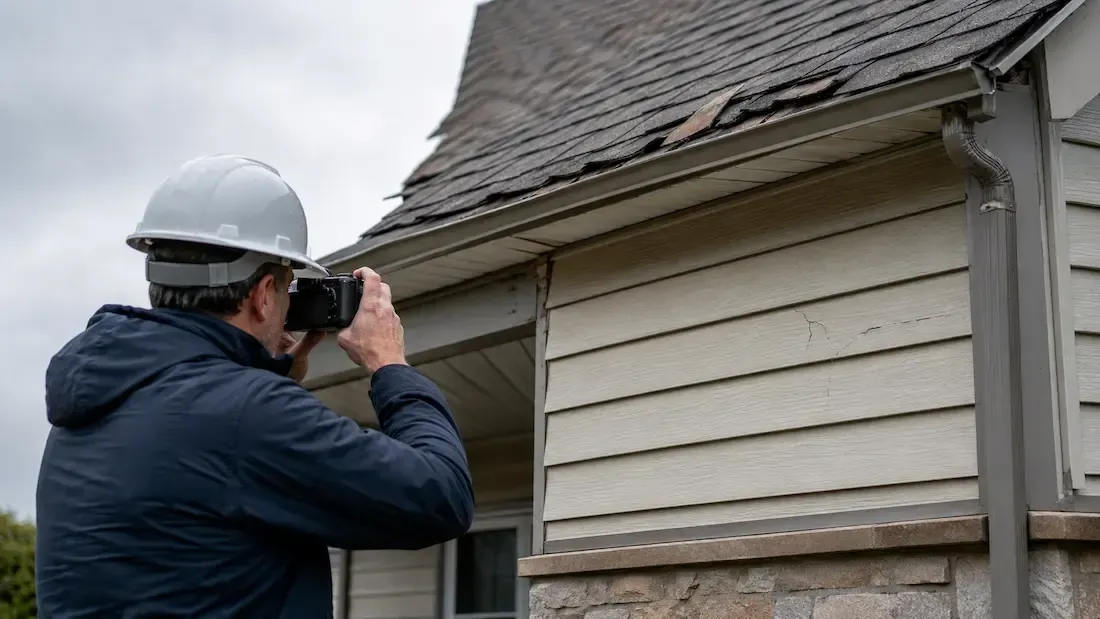
Outside the building, the engineer may inspect the foundation perimeter, exterior walls, roofline, drainage conditions, retaining walls, porches, balconies, decks, and attached structures. They may look for cracks, displacement, settlement, soil erosion, leaning elements, or damage caused by fallen trees and debris.
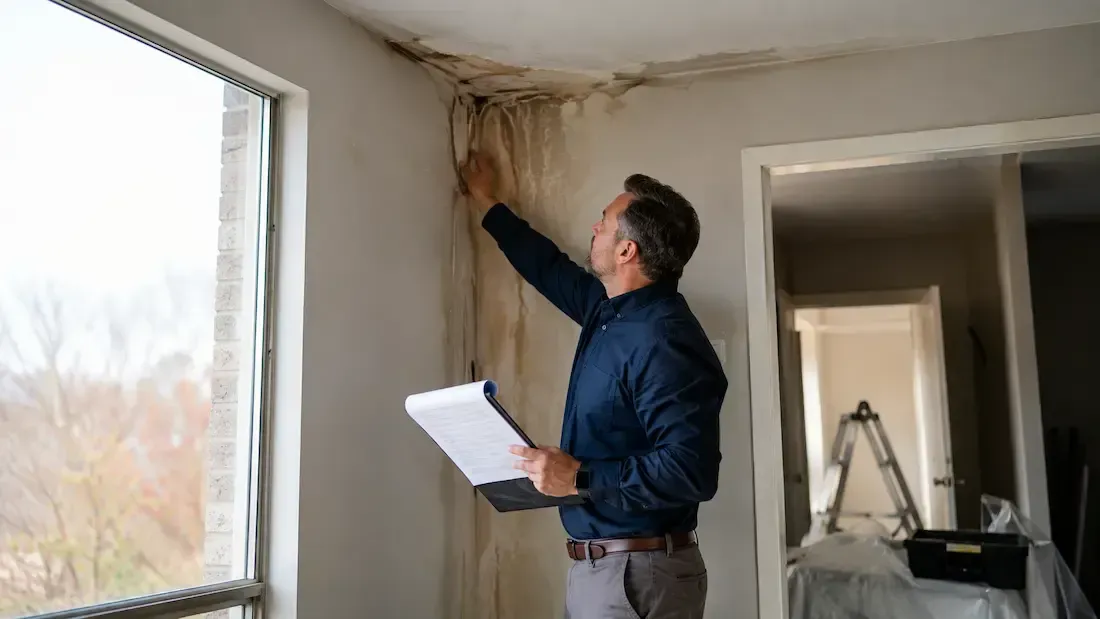
Inside the property, the engineer may inspect ceilings, walls, floors, attic spaces, crawl spaces, and accessible framing. Signs such as ceiling cracks, drywall separation, uneven flooring, water stains, or bowing walls can help indicate whether the storm affected the structural system.
This visual inspection helps the engineer determine whether the damage appears cosmetic, localized, or potentially structural. It also guides whether additional investigation, measurements, or specialized testing may be needed.
Roof and Framing Evaluation After High Winds
High winds can cause serious roof and framing damage, even when the roof covering does not appear severely damaged from the ground. Wind uplift can loosen roof connections, damage trusses or rafters, shift roof decking, or weaken structural attachments.
During an evaluation, the engineer may inspect the attic, roof framing, ceiling lines, roof slope, and visible signs of movement. They may look for cracked rafters, displaced trusses, damaged decking, broken connections, water intrusion, or sagging areas.
Roof framing damage should be addressed quickly because the roof system protects the rest of the structure. If the roof has been weakened, future storms or heavy rain could cause additional damage.
In some cases, an engineer may recommend temporary stabilization, further roofing evaluation, or repair plans to restore the structural performance of the roof system.
Documentation for Insurance Claims and Repairs

One of the most important parts of a structural damage evaluation is documentation. A structural engineer can provide a written report that explains the observed damage, possible causes, structural concerns, and recommended repairs.
This report can be useful for homeowners, property managers, contractors, attorneys, and insurance adjusters. It provides a professional opinion from a licensed engineering perspective rather than a general visual observation.
The report may include photos, descriptions of damage, inspection findings, repair recommendations, and notes about whether the damage appears storm-related, pre-existing, cosmetic, or structural. This level of documentation can help support insurance claims and prevent confusion during the repair process.
For property owners dealing with structural damage after storm events, having clear engineering documentation can make it easier to make informed decisions and move forward with repairs.
You might also like