
What Is a Forensic Structural Inspection?
Understanding the Purpose of a Forensic Structural Inspection
A forensic structural inspection is an engineering-based investigation of a building or structural component. The purpose is to understand why damage happened, not just confirm that damage exists.
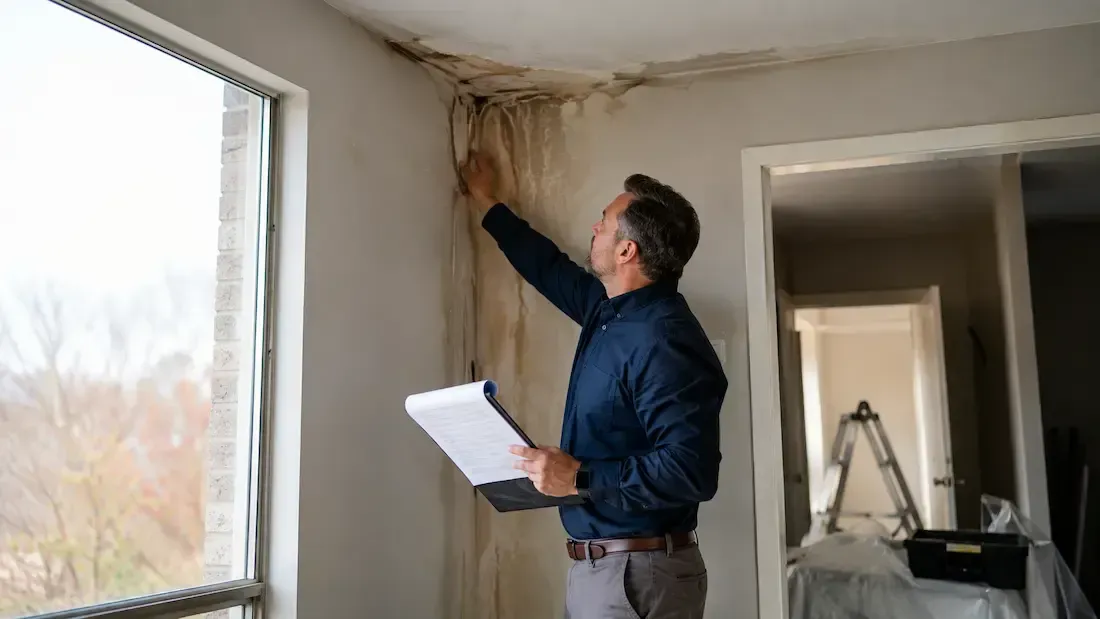
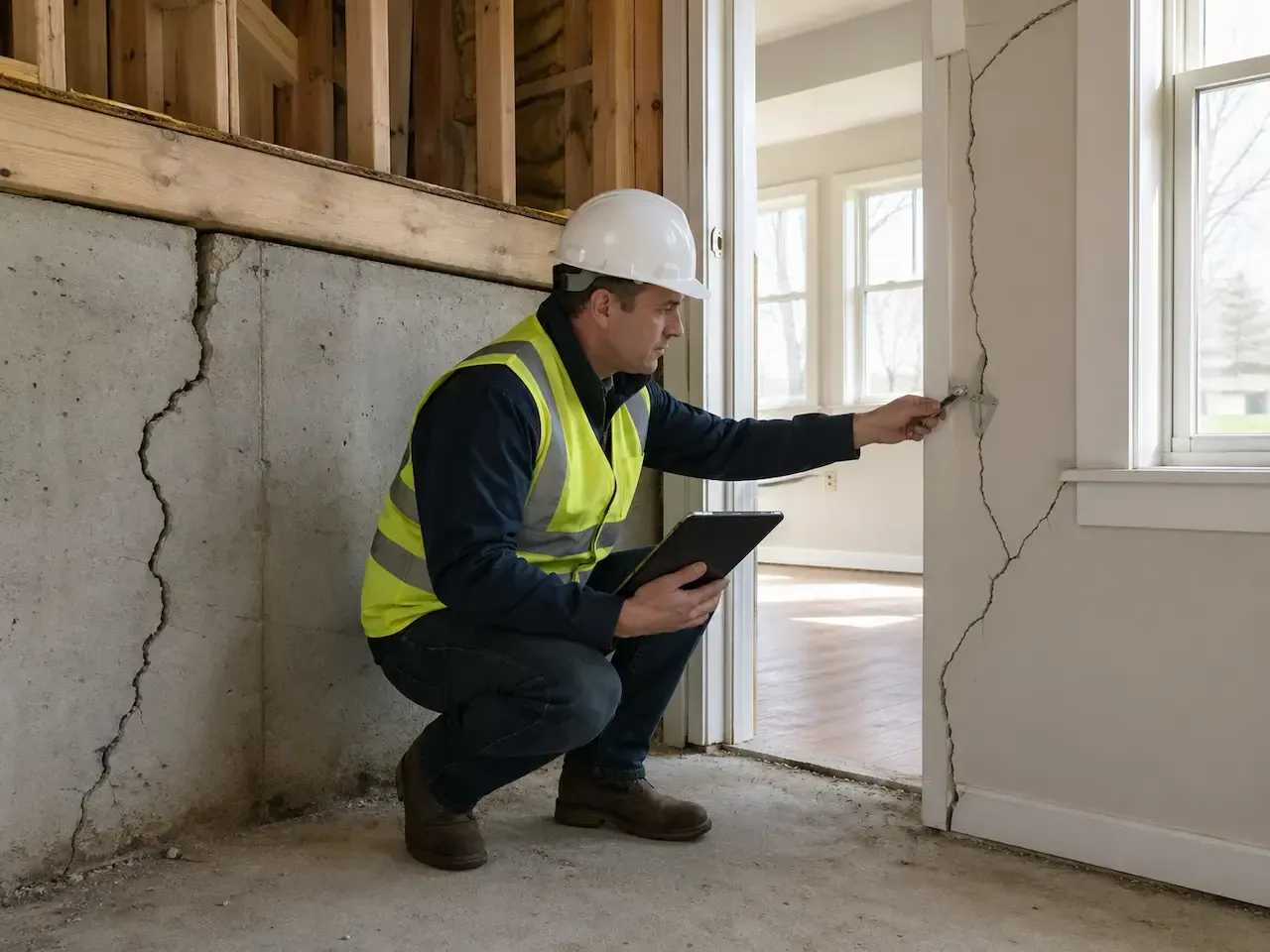
For example, a crack in a wall may be related to foundation settlement, soil movement, poor drainage, storm damage, construction defects, framing movement, or long-term deterioration. A forensic inspection helps identify which factors are most likely responsible.
This matters because different causes lead to different decisions. Damage caused by a sudden storm event may be handled differently than damage caused by long-term movement, poor construction, or lack of maintenance.
A forensic structural inspection may evaluate:
- Foundations
- Slabs
- Roof framing
- Load-bearing walls
- Beams and columns
- Joists and trusses
- Cracks and movement
- Storm or flood damage
- Construction defects
- Structural integrity concerns
The final goal is to provide a clear, unbiased explanation of the observed damage and practical recommendations for next steps.
Common Problems a Forensic Structural Inspection Can Evaluate
A forensic structural inspection can be used for many types of structural concerns. Some are caused by sudden events, while others develop slowly over time.
Common issues include foundation movement, wall cracks, uneven floors, roof framing damage, storm damage, water intrusion, construction defects, and signs of structural distress.
Foundation-related problems are especially common. Warning signs may include stair-step cracks in brick, gaps around windows or doors, sloping floors, interior drywall cracks, or separation between walls and ceilings.
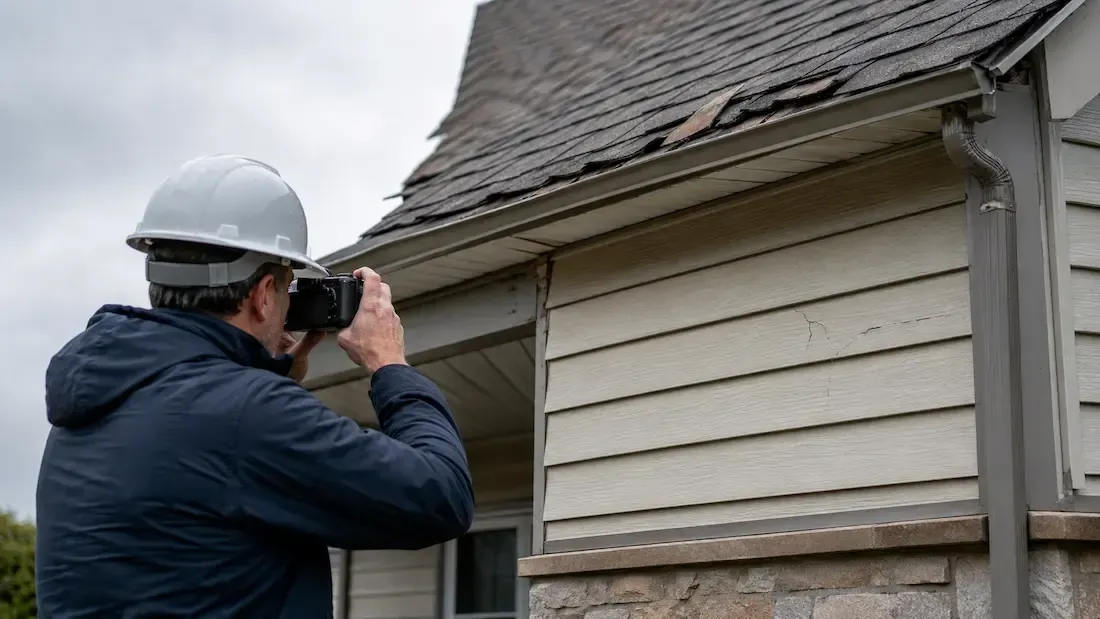
Storm and hurricane damage may also require forensic evaluation. Strong winds, flying debris, flooding, and roof uplift can affect structural components even when the damage is not immediately obvious.
Construction defects are another common reason to request a forensic inspection. These may include improper framing, poor load transfer, missing supports, inadequate bracing, defective foundation work, or improper installation of structural components.
A forensic structural inspection may also be useful when damage appears after remodeling, nearby construction, plumbing leaks, drainage problems, or previous repairs.
The key is that the inspection does not simply list defects. It helps connect the visible damage to the most likely cause.
When Should You Request a Forensic Structural Inspection?
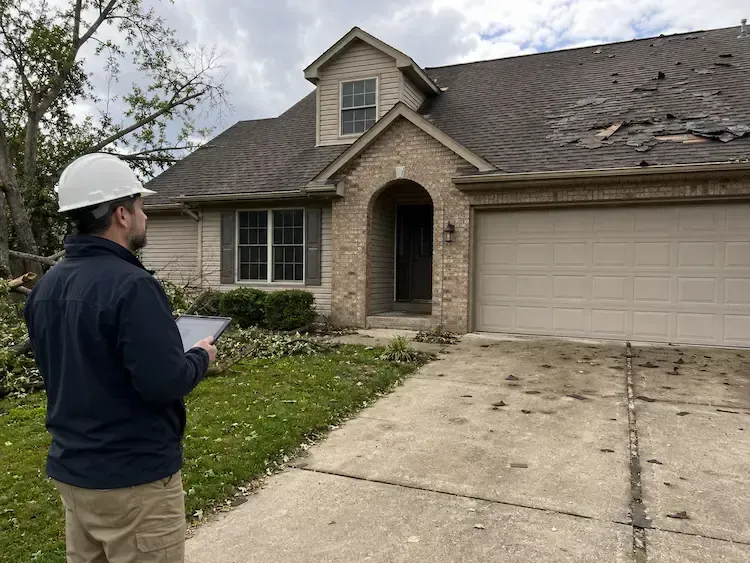
You should consider requesting a forensic structural inspection when the cause of damage is unclear, the damage may be serious, or the outcome could affect an insurance claim, repair plan, or legal decision.
Common situations include:
- After a hurricane, flood, fire, or severe windstorm
- When cracks are growing or spreading
- When doors, windows, floors, or walls show signs of movement
- Before beginning major structural repairs
- When an insurance claim is delayed or disputed
- When a contractor and adjuster disagree
- When damage may be related to construction defects
- When liability or responsibility is unclear
It is often better to request the inspection before repairs begin. Once damaged materials are removed, replaced, or covered, important evidence may be lost.
A forensic structural inspection helps create a clear record of the property condition before decisions are made. This can be especially valuable for insurance carriers, adjusters, attorneys, property owners, and repair professionals.
FAQs About Forensic Structural Inspections
What is a forensic structural inspection?
A forensic structural inspection is an engineering-based evaluation used to determine the cause, extent, and seriousness of structural damage.
What happens during a forensic building inspection?
The inspector reviews background information, evaluates the property, documents damage, analyzes possible causes, and prepares a report with findings and recommendations.
Is a forensic structural inspection the same as a home inspection?
No. A home inspection gives a general overview of property conditions. A forensic structural inspection focuses on why structural damage happened.
Can a forensic structural inspection help with an insurance claim?
Yes. It can provide documentation and technical opinions that help insurance carriers, adjusters, attorneys, and property owners understand the cause of damage.
When should I request a forensic structural inspection?
You should request one when damage is serious, spreading, disputed, connected to a claim, or unclear in cause.
What types of damage can be evaluated?
Foundation movement, wall cracks, roof framing damage, storm damage, flood-related concerns, construction defects, sagging floors, and other structural issues.
What Happens During a Forensic Building Inspection?
During a forensic building inspection, the inspector or engineer reviews the property, documents visible damage, evaluates possible causes, and prepares a report with findings and recommendations.
The process usually starts with a review of the property background. This may include claim details, photos, previous reports, repair records, weather event information, construction documents, or maintenance history.
After that, the on-site inspection focuses on the areas related to the reported damage. The engineer may inspect the foundation, walls, roof structure, attic, crawlspace, framing, drainage conditions, and other relevant parts of the building.
Documentation is a key part of the process. Photos, measurements, notes, diagrams, and observations help support the final opinion. In some cases, drone imagery or additional tools may be used to capture hard-to-reach areas.
The most important part comes after the inspection: the analysis. The engineer reviews the evidence and determines whether the damage is consistent with storm activity, foundation movement, construction defects, water intrusion, long-term deterioration, or another cause.
The final report should explain:
- What was inspected
- What damage was found
- Where the damage is located
- What likely caused it
- Whether the damage is structurally significant
- What repairs or next steps may be needed
A good forensic report should be clear enough for property owners, adjusters, attorneys, and contractors to understand without confusion.
Forensic Structural Inspection vs. Home Inspection
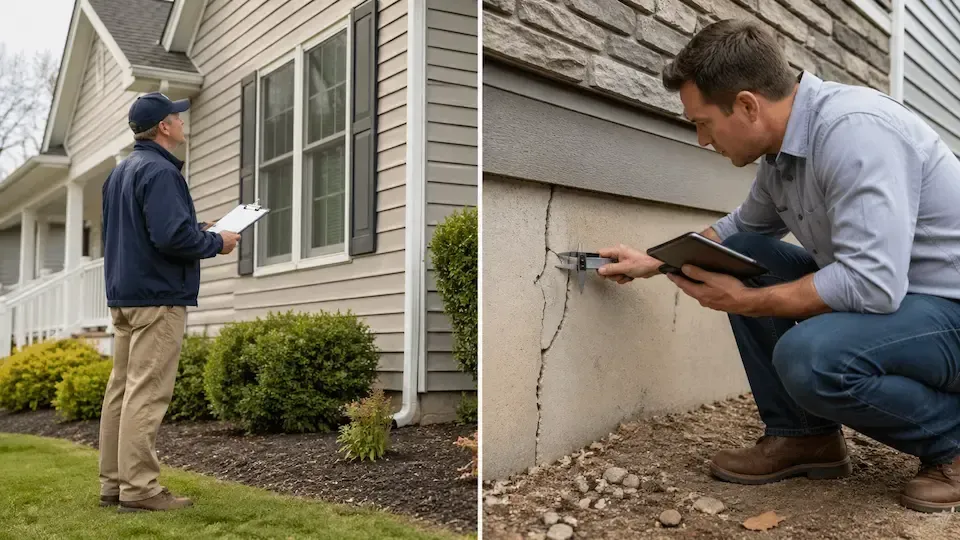
A forensic structural inspection is not the same as a regular home inspection.
A home inspection is usually performed during a real estate transaction. It gives a general overview of the property’s condition, including visible issues with the roof, foundation, plumbing, electrical systems, HVAC, attic, and interior or exterior components.
A forensic structural inspection is more specific. It focuses on structural damage and tries to determine why the damage happened.
A home inspector may report that cracks are visible. A forensic structural inspection goes further and asks whether those cracks are related to settlement, storm damage, framing problems, soil movement, construction defects, or another cause.
This is why forensic inspections are often requested when an insurance claim is involved, when repairs may be expensive, or when different parties disagree about what caused the damage.
Why Work With Texas Piers Consulting?
When structural damage affects a property, the most important thing is getting clear answers. A forensic structural inspection should explain what happened, why it happened, how serious the damage is, and what steps should come next.
Texas Piers Consulting provides forensic engineering, building consulting, catastrophe response, appraisals, and property damage assessment support for clients involved in insurance claims, structural concerns, and property loss situations.
The company’s work is especially relevant for property owners, insurance carriers, adjusters, attorneys, and other professionals who need accurate documentation and unbiased technical reports.
A strong forensic inspection can help reduce confusion, support claim decisions, guide repairs, and create a reliable record of the property condition.
If you are dealing with foundation movement, storm damage, construction defects, water-related structural concerns, or disputed property damage, a forensic structural inspection can help you move forward with confidence.
Final Thoughts
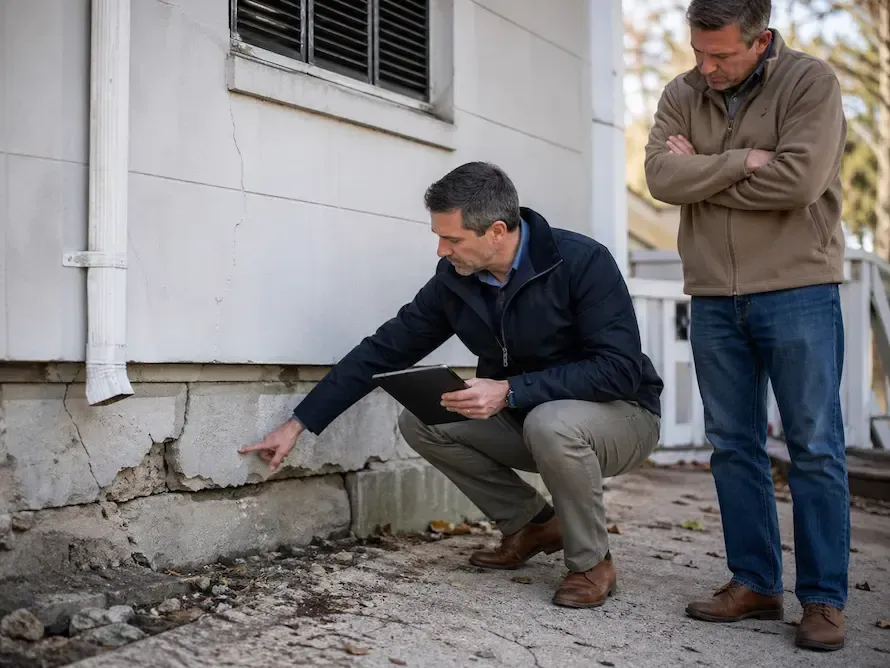
A forensic structural inspection is the right choice when you need more than a basic visual review. It helps determine the cause, extent, and seriousness of structural damage so property owners, insurers, adjusters, attorneys, and contractors can make better decisions.
Whether the issue involves foundation movement, storm damage, construction defects, water intrusion, or structural distress, the value of a forensic inspection is clarity.
It answers the questions that matter most:
- What happened?
- Why did it happen?
- How serious is it?
- What should be done next?
For complex property damage situations, those answers can make all the difference.
You might also like