
Structural Inspection for Condos: What Buyers, Owners, and Associations Need to Know
What Is a Structural Inspection for Condos?
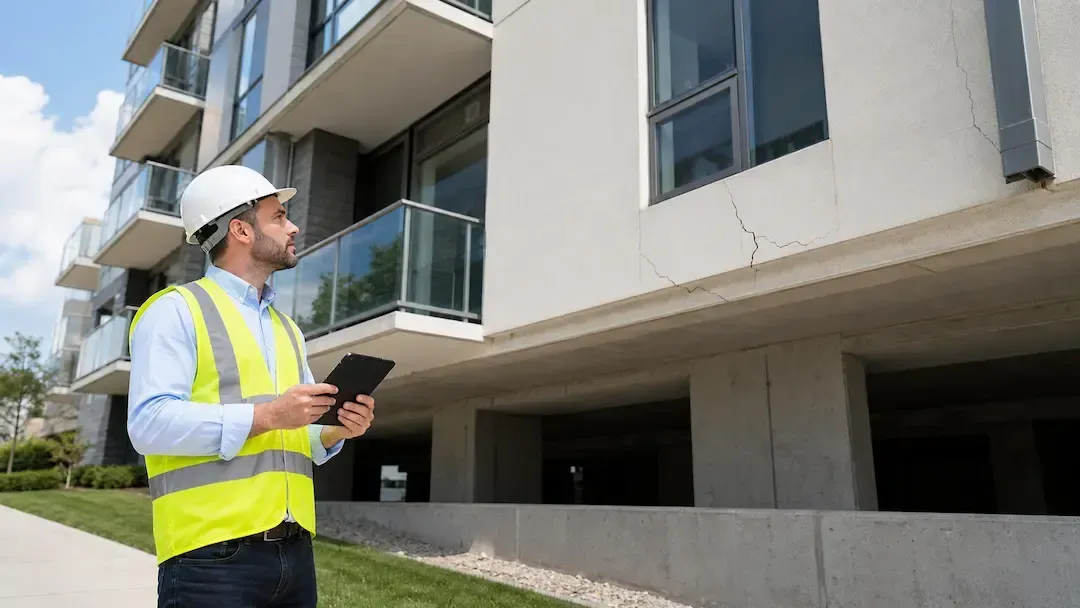
A structural inspection for condos is a professional evaluation focused on the parts of a condominium building that support, transfer, or resist loads. In plain English, it looks at whether the building’s structural components are performing the way they should. That includes foundations, slabs, framing, columns, beams, load-bearing walls, balconies, stairs, roof structure, drainage-related movement, and visible signs of distress.
This is different from a basic condo inspection. A standard condo inspection usually focuses on the individual unit: appliances, plumbing fixtures, electrical panels, HVAC, windows, doors, and interior finishes. Those items matter, especially for buyers, but they do not always answer the bigger question: is there evidence of structural movement, damage, deterioration, or unsafe load transfer?
That is where a structural engineer or forensic engineering consultant becomes important. Condo buildings often share structural systems across many units. A crack in one area, a sloping floor, a damaged balcony, or signs of foundation movement may not be isolated to one owner’s space. It can point to a broader condition affecting the building, the association, the insurance claim, or future repair planning.
A good condo structural inspection should not be based on guesswork. The goal is to observe visible conditions, identify signs of distress, determine whether further evaluation is needed, and provide clear recommendations. For buyers, this can prevent a costly surprise after closing. For condo owners, it can clarify whether damage is cosmetic or potentially structural. For HOA and condo association boards, it can support responsible maintenance decisions. For insurance carriers, adjusters, and legal professionals, it can provide documentation for claims, disputes, or repair scope decisions.
At
Texas Piers Consulting, the work is especially relevant because the company focuses on forensic engineering, building consulting, property loss consulting, insurance claims, appraisals, and property damage assessments across Texas, Louisiana, Georgia, Florida, and Oklahoma. Its services include forensic structural analysis and damage evaluations designed to support fast, accurate, transparent claims decisions.
Common Problems Found During Condo Structural Inspections
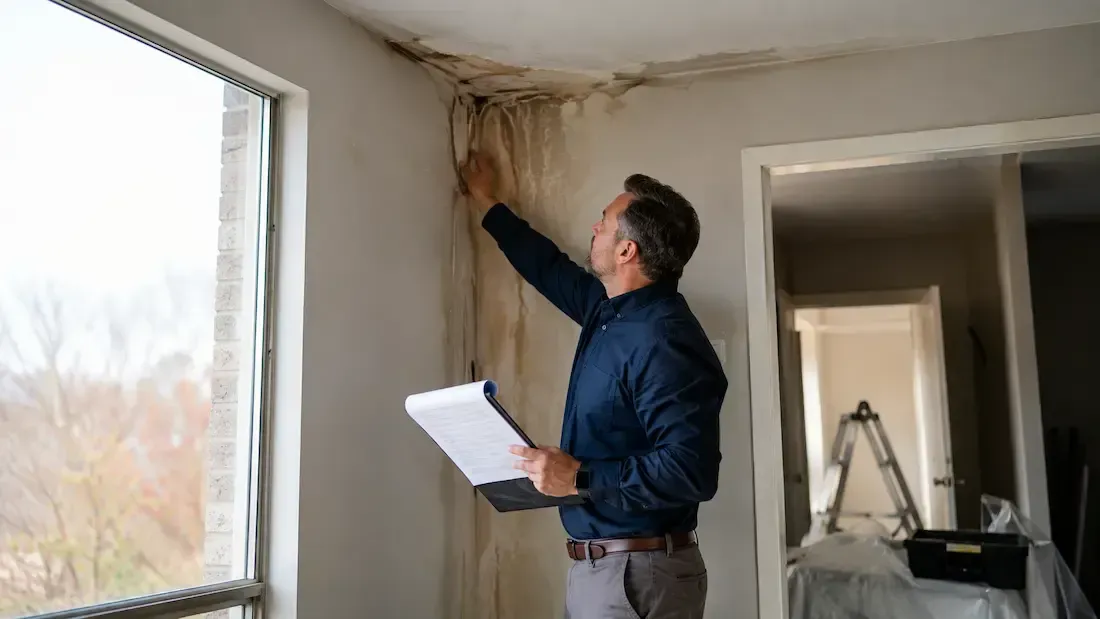
The most common issues found during structural inspections for condos usually start with visible warning signs. Cracks are the classic example. Cracks may appear in drywall, stucco, brick, concrete, ceilings, slabs, or foundation walls. Some are related to normal shrinkage or minor movement, but others can indicate settlement, structural stress, moisture, or material deterioration.
Foundation movement is another frequent concern. In some areas, soil conditions can cause the building to move unevenly. When one part of the structure settles or heaves differently than another, the movement can create diagonal cracks, uneven floors, sticking doors, separated trim, gaps around windows, or distress near load paths. The key is not simply seeing a crack; it is understanding the pattern, location, width, movement history, and relationship to the rest of the building.
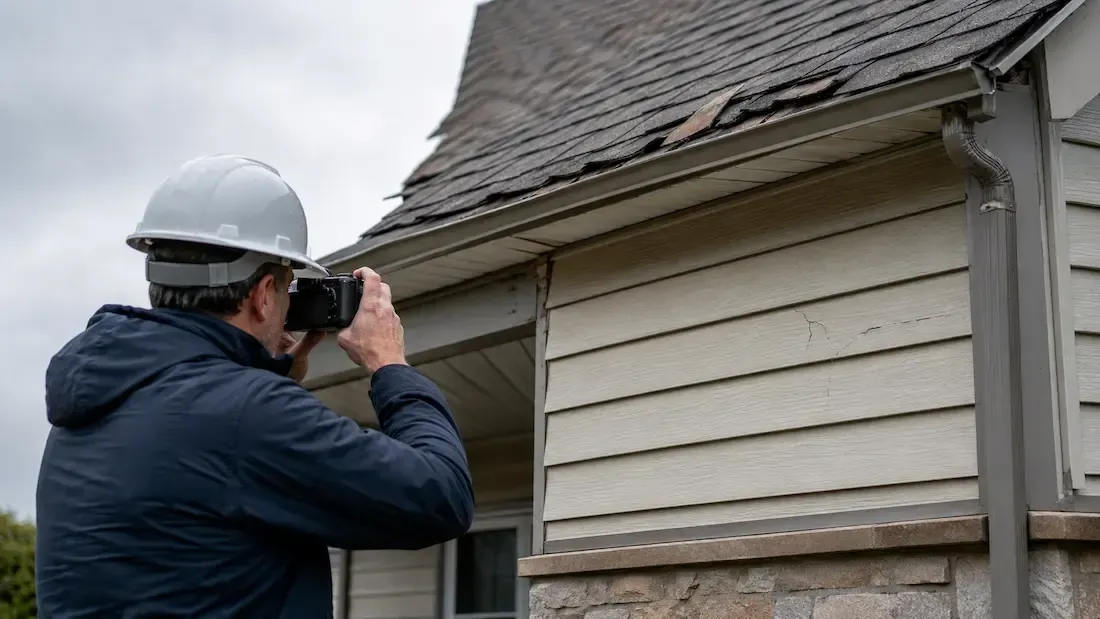
Water-related damage is also common. Condo buildings have many exterior surfaces and shared systems. Roof leaks, balcony waterproofing failures, plumbing leaks, poor drainage, storm damage, and wall penetrations can allow moisture into areas where it should not be. Over time, moisture can affect wood framing, steel connections, concrete, masonry, and interior finishes. In coastal or storm-prone areas, water intrusion and wind-driven rain may be especially important.
Balconies and elevated exterior elements deserve close attention. Deterioration in these areas can become a serious safety issue if ignored. Warning signs may include cracking, spalling concrete, rust staining, soft materials, loose railings, sagging, water ponding, or visible separation from the building.
Improper repairs are another issue. Sometimes previous repairs hide the symptom without solving the cause. Fresh paint over a recurring crack, patched stucco without drainage correction, or interior repairs without structural evaluation can delay the discovery of a larger problem. A structural inspection can help determine whether a repair appears consistent with the underlying condition.
Construction defects may also be discovered, especially in newer or renovated buildings. These can include framing errors, insufficient support, poor connections, inadequate drainage details, improper load transfer, or code-related concerns. When disputes arise, forensic engineering documentation can help clarify the condition and support next steps.
Not every problem means the building is unsafe. But every visible sign of distress deserves the right level of attention. The earlier a condition is evaluated, the easier it is to plan repairs, manage costs, and reduce uncertainty.
Who Needs a Structural Inspection for a Condo?
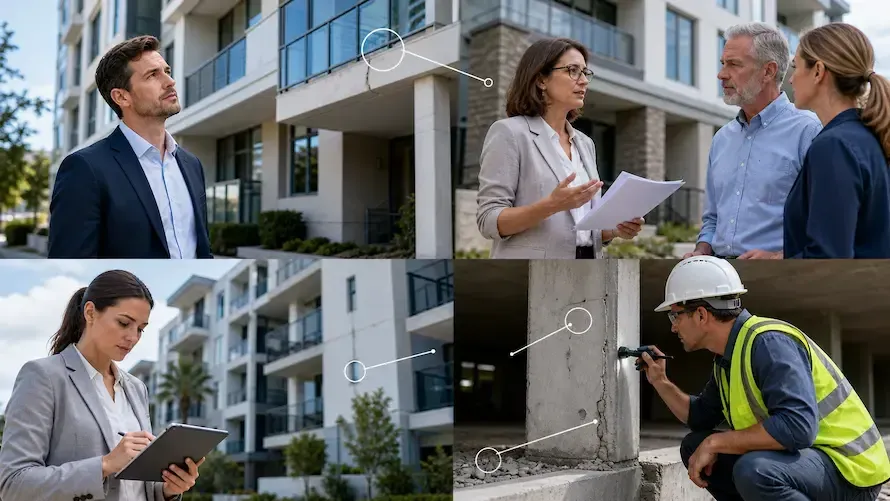
A structural inspection for condos can benefit several types of people, not just buyers.
Condo buyers should consider a structural inspection when the unit or building shows signs of cracking, movement, water intrusion, balcony deterioration, sloping floors, or previous repairs. Buying into a condo means buying into shared responsibilities. Even if the individual unit looks clean, the building’s structural condition can affect future assessments, insurance issues, resale value, and safety.
Current condo owners may need an inspection when they notice changes inside their unit. New cracks, doors that stick, uneven floors, ceiling separation, water stains, or recurring repairs can all justify a closer look. A structural evaluation can help the owner understand whether the issue is limited to their unit or may involve a shared component.
HOA and condo association boards may need inspections for maintenance planning, reserve studies, repair decisions, owner complaints, post-storm evaluations, or visible exterior deterioration. A board has a responsibility to make informed decisions. A clear engineering report can help prioritize repairs and communicate with owners more confidently.
Insurance carriers and adjusters may need structural inspections when evaluating property damage claims. After a storm, flood, impact event, fire, or other loss, the question is often not just “what is damaged?” but “what caused the damage?” Forensic structural analysis can help distinguish between covered events, pre-existing conditions, construction defects, wear and tear, or soil-related movement.
Attorneys and legal professionals may also need structural evaluations for construction disputes, liability cases, claim disputes, or property damage litigation. In these cases, the report must be clear, evidence-based, and technically defensible.
This is where a company like Texas Piers Consulting fits naturally. The company works in forensic structural analysis, damage assessments, expert input for legal disputes, underwriter risk assessment, and claims-related consulting. That makes its services relevant not only for condo owners, but also for insurance and legal professionals who need reliable documentation.
FAQs About Structural Inspections for Condos
What is included in a structural inspection for condos?
A structural inspection for condos may include visible evaluation of the foundation, load-bearing walls, columns, beams, framing, slabs, roof structure, balconies, stairs, railings, crawl spaces, drainage-related concerns, and signs of water intrusion. The scope depends on the building, access, visible damage, and purpose of the inspection.
Is a condo structural inspection different from a general condo inspection?
Yes. A general condo inspection usually focuses on the interior unit and common systems such as plumbing, electrical, HVAC, appliances, windows, and finishes. A structural inspection focuses on components that support or affect the building’s structural integrity, such as foundations, framing, load-bearing walls, balconies, and signs of movement or damage.
Who should perform a structural inspection for a condo?
A structural inspection should be performed by a qualified structural engineer, forensic engineer, or professional with the right expertise to evaluate structural systems. If the inspection involves insurance claims, legal disputes, storm damage, settlement, or construction defects, forensic engineering experience can be especially valuable.
When should I schedule a structural inspection for a condo?
You should consider scheduling one before buying a condo with visible signs of distress, after a storm or flooding event, when cracks or movement appear, before major repairs, during an insurance claim, or when an HOA board needs documentation for shared structural concerns.
Can a structural inspection help with an insurance claim?
Yes. A structural inspection can help document visible damage, evaluate potential causes, and support repair recommendations. Forensic engineering reports are often useful in property damage claims because they help clarify whether damage may be related to a covered event, pre-existing condition, deterioration, construction defect, or other cause.
Do condo associations need structural inspections?
Yes, especially when the building has visible deterioration, owner complaints, balcony concerns, foundation movement, water intrusion, storm exposure, or aging structural components. A structural inspection can help boards prioritize repairs, plan budgets, communicate with owners, and reduce risk.
Are cracks in a condo always structural?
No. Some cracks are cosmetic or related to minor material shrinkage. However, cracks that are widening, diagonal, repeated, near structural supports, associated with uneven floors, or accompanied by doors and windows that stick should be evaluated by a qualified professional.
Can a condo buyer request a structural inspection before closing?
Yes. A buyer can request a structural inspection during the due diligence or inspection period, especially if a general inspector identifies concerns. This can help the buyer make a better decision before purchasing the unit.
Why Condo Structural Inspections Matter
Condo buildings are unique because ownership and responsibility are often divided between the unit owner and the association. A buyer may own the interior of the unit, but the building envelope, foundation, roof, balconies, structural framing, exterior walls, and common areas may fall under association responsibility. That shared responsibility makes structural inspections especially important.
One of the biggest risks in condo buildings is assuming that visible damage is only cosmetic. A drywall crack might be minor, but it could also relate to movement in the framing, slab, foundation, or building envelope. A balcony stain might look like surface wear, but it could be connected to water intrusion, corrosion, or deterioration. A door that no longer closes properly might be simple settlement, or it might signal structural movement that deserves a closer look.
Structural inspections help separate assumptions from evidence. They give buyers, owners, boards, adjusters, and attorneys a clearer understanding of what is happening. That does not mean every crack is dangerous. In fact, many observed conditions may be non-structural. But without a qualified evaluation, it is easy to underestimate a serious issue or overreact to a minor one.
For condo associations, regular structural evaluations can support better maintenance planning. Instead of waiting until damage becomes urgent, a board can identify concerns early, document conditions, prioritize repairs, and communicate more clearly with owners. This is especially useful after storms, flooding, wind events, foundation movement, or construction work near the building.
For insurance-related situations, the value is documentation. A structural inspection can help evaluate the origin and cause of damage, distinguish between sudden damage and long-term deterioration, and support decisions about repair recommendations. Texas Piers Consulting specifically provides forensic engineering reports and structural damage assessments for claims professionals, underwriters, attorneys, property owners, and other stakeholders who need evidence-based evaluations.
In short, a condo structural inspection matters because it protects people, property, budgets, and decisions. It is not just about finding defects. It is about understanding risk before it becomes more expensive.
What Does a Condo Structural Inspection Include?
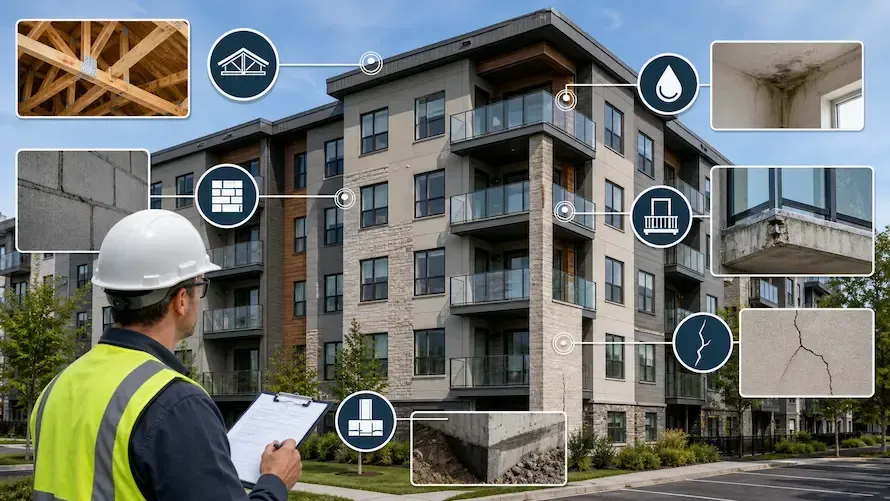
A condo structural inspection typically begins with a visual evaluation of accessible structural elements. The exact scope depends on the building type, age, observed damage, inspection purpose, and access limitations. A high-rise condo, garden-style condo, townhouse-style condo, and coastal condominium building may all require different areas of focus.
The foundation is one of the first areas of concern. Inspectors may look for signs of settlement, heaving, differential movement, cracking, displacement, moisture-related issues, and drainage problems near the structure. In regions such as Texas, expansive soil movement can be a major factor. Texas Piers Consulting notes that its team works with foundation analysis across Texas and helps distinguish between expansive soil movement and sudden storm damage, which is especially useful in claims and forensic evaluations.
The inspection may also include load-bearing walls, columns, beams, posts, joists, floor systems, roof framing, slabs, and crawl spaces when accessible. These components carry and distribute loads throughout the structure. If one part is damaged, modified incorrectly, deteriorated, or overloaded, the effects can appear in other areas of the building.
Balconies, stairs, railings, decks, and exterior attachments are also important in condo buildings. These areas are exposed to weather, moisture, movement, corrosion, and repeated use. A balcony that looks stable from a distance may still require a closer evaluation if there are cracks, rust stains, loose railings, deflection, ponding water, or deterioration at connections.
Water intrusion is another major concern. Moisture can damage framing, weaken materials, accelerate corrosion, and create hidden deterioration. A structural inspection may consider how drainage, roof leaks, wall penetrations, exterior cladding, and grading contribute to observed damage. The goal is not only to identify the visible symptom, but also to understand what may be causing it.
A strong report should explain the observed conditions, likely causes when determinable, limitations of the inspection, recommended next steps, and whether repairs or additional investigation are needed. For insurance claims, legal disputes, or association planning, this documentation can be just as important as the inspection itself.
Condo Structural Inspection vs. General Condo Inspection
A general condo inspection and a structural inspection are not the same thing. Both can be useful, but they answer different questions.
A general condo inspection is usually performed during a real estate transaction. It focuses on the condition of the unit and readily accessible systems. The inspector may review appliances, electrical outlets, plumbing fixtures, HVAC performance, doors, windows, ceilings, floors, and visible interior defects. For buyers, this is valuable because it helps them understand the day-to-day condition of the condo before closing.
A structural inspection for condos, on the other hand, focuses on the building’s structural integrity. It looks at components that support loads and resist movement: foundation, beams, columns, framing, slabs, roof structure, balconies, load-bearing walls, and other structural systems. It may also evaluate whether visible distress is related to settlement, storm damage, construction defects, deterioration, water intrusion, or other causes.
The difference matters because a standard inspector may note a crack, but a structural engineer can often provide deeper analysis of what that crack may mean. A general inspection may say “further evaluation recommended.” A structural inspection is often the next step.
In some situations, buyers may need both. A general inspection can help identify everyday issues inside the unit. A structural inspection can address more serious concerns related to movement, damage, safety, or shared building components. This is especially important when a condo has visible cracking, uneven floors, balcony deterioration, water intrusion, recent storm exposure, or a history of foundation problems.
For HOA boards and condo associations, a general unit inspection usually is not enough. Associations need information about shared systems, exterior structures, common areas, maintenance priorities, and long-term repair planning. A structural report can help the board make decisions based on documented conditions instead of owner complaints or visual impressions alone.
For insurance claims and legal disputes, the distinction becomes even more important. A structural engineer or forensic consultant can evaluate damage patterns, possible cause, repair recommendations, and liability-related questions. Texas Piers Consulting provides forensic engineering and building consulting services designed for claims, damage assessments, legal disputes, and risk evaluations.
Final Thoughts: Protect the Property Before Small Issues Become Big Problems

A structural inspection for condos is one of the most practical ways to reduce uncertainty when a building shows signs of distress. It helps buyers understand what they are purchasing, owners understand what they are seeing, condo associations understand what they may need to repair, and claims professionals understand what may have caused the damage.
The most important point is this: structural issues rarely become easier to manage when they are ignored. A small crack may remain minor, but it may also be the first visible sign of movement, moisture, deterioration, or improper load transfer. Without the right evaluation, it is difficult to know which situation you are dealing with.
For condo buildings, this matters even more because structural systems are often shared. One unit’s visible damage can point to a larger building condition. A balcony concern can affect safety and liability. Foundation movement can influence multiple owners. Water intrusion can travel beyond the original source. A board decision can affect every member of the association.
A qualified structural inspection provides clarity. It can identify visible signs of structural distress, explain likely causes when possible, recommend next steps, and create documentation that supports repairs, maintenance planning, insurance decisions, or legal review.
Texas Piers Consulting brings a forensic engineering and building consulting perspective to this process. With services that include forensic structural analysis, property damage assessments, insurance claims support, appraisals, catastrophe response, and building consulting, the company is positioned to help stakeholders make better decisions when structural damage, foundation movement, storm damage, or construction-related concerns are involved.
Whether you are buying a condo, managing an association, reviewing a claim, or dealing with unexplained damage, the right inspection can help you move forward with facts instead of assumptions.
You might also like