
Building Structural Inspection: What It Includes and When You Need One
What Is a Building Structural Inspection?
A building structural inspection is a focused evaluation of the parts of a building that keep it stable, safe, and structurally sound. Instead of looking at every system in the property, this inspection concentrates on the structure itself: the foundation, framing, load-bearing walls, beams, columns, roof structure, slabs, and visible signs of movement or distress.
At Texas Piers Consulting, we look at structural concerns from a fact-driven perspective. Cracks, uneven floors, sticking doors, or wall separation may seem minor at first, but they can point to foundation movement, framing issues, drainage problems, construction defects, or storm-related damage.
A building structural inspection is especially useful when you need to understand:
- Whether visible damage is cosmetic or structural.
- What areas of the building may be affected.
- What may be causing the movement or damage.
- Whether repairs, further evaluation, or documentation are needed.
- How the findings may support a property decision, repair plan, insurance claim, or legal matter.
The purpose is simple: to replace uncertainty with clear, professional findings.
What Does a Building Structural Inspection Include?
A building structural inspection checklist typically focuses on the visible and accessible components that affect the building’s structural performance. The exact scope depends on the property, the reported concern, and the purpose of the inspection, but most evaluations include a review of key structural areas.
A typical inspection may include:
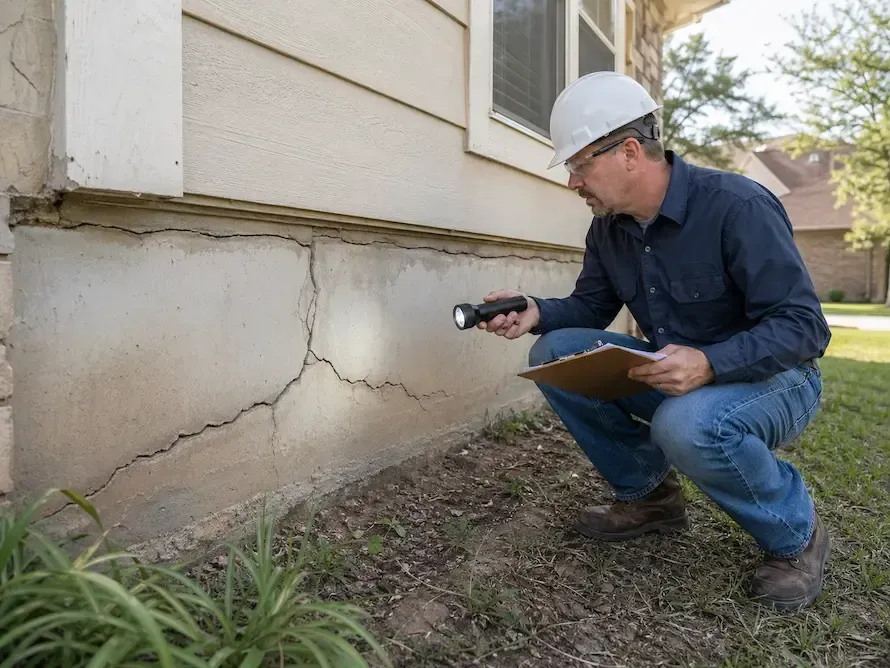
- Foundation and slab: visible cracking, settlement indicators, movement, displacement, or distress.
- Footings and supports: accessible support conditions, movement, deterioration, or signs of improper performance.
- Framing: wall framing, floor framing, roof framing, joists, trusses, and visible structural connections.
- Load-bearing walls: signs of movement, cracking, bowing, separation, or alteration.
- Beams and columns: visible deflection, damage, improper support, or deterioration.
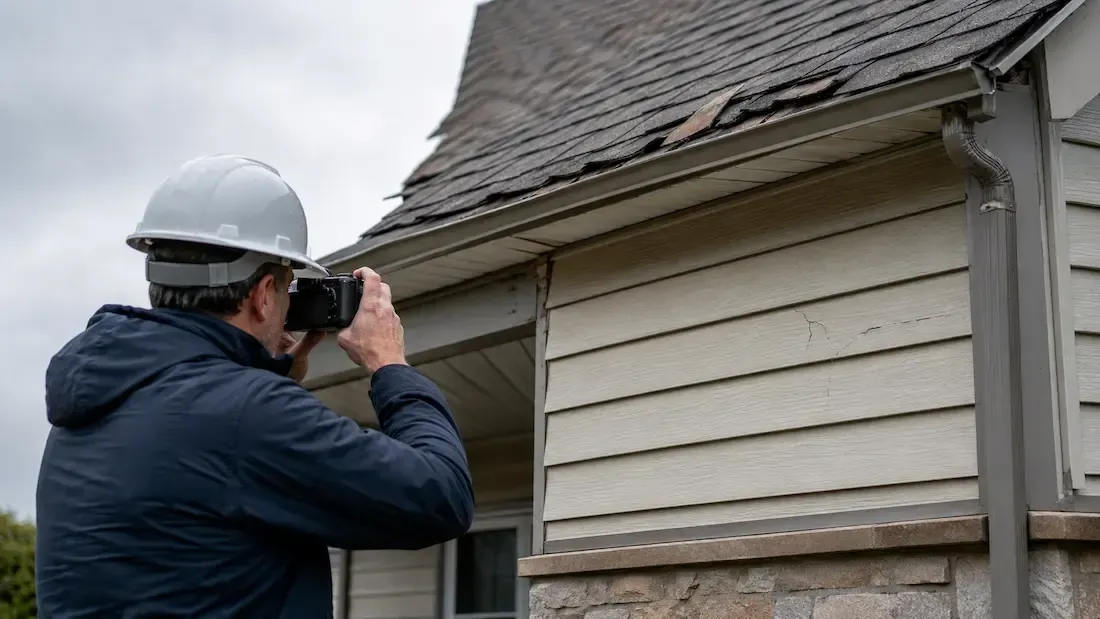
- Roof structure: sagging, framing movement, truss concerns, or storm-related effects.
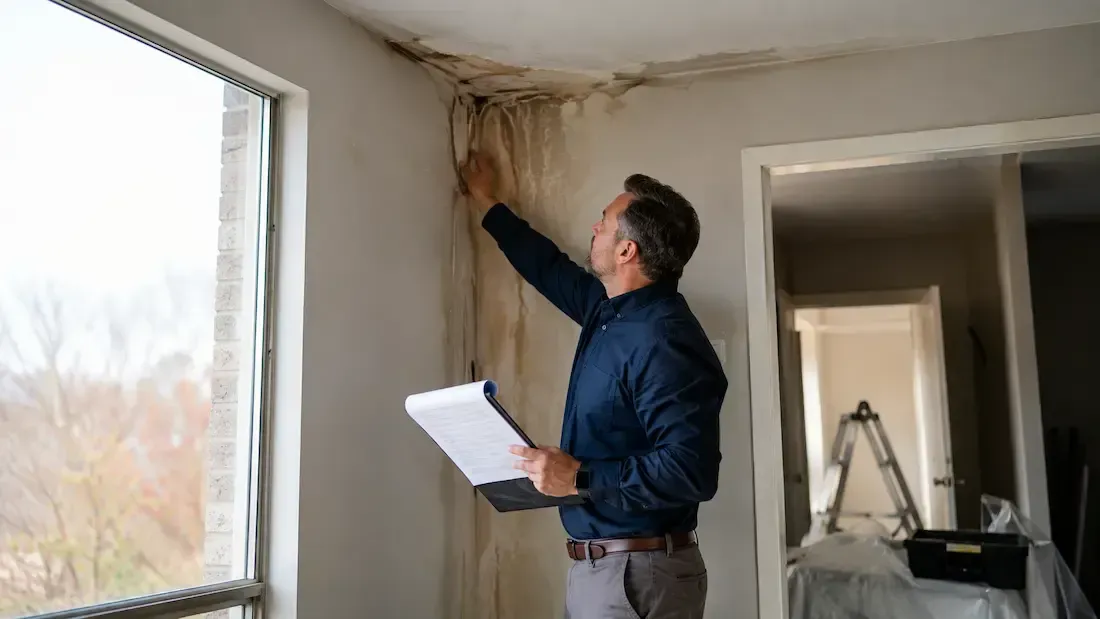
- Interior conditions: cracks, uneven floors, sticking doors, ceiling separation, or distress patterns.
- Exterior conditions: brick cracks, wall movement, drainage issues, foundation exposure, or soil-related concerns.
- Moisture and drainage: water intrusion, grading problems, ponding, or conditions that may affect foundation performance.
At Texas Piers Consulting, each case begins with a physical site evaluation. That field evaluation allows the findings to be based on actual observed conditions instead of assumptions. This is especially important when the inspection is connected to construction defects, foundation movement, framing errors, insurance claims, or structural damage disputes.
When Should You Schedule a Building Structural Inspection?

You should schedule a building structural inspection whenever there is a serious question about the condition, safety, movement, or performance of a building’s structure. Waiting too long can make the problem more expensive, especially if the wrong repair is completed before the cause is understood.
A structural inspection is recommended:
- Before buying or selling a property.
- After noticing new or expanding cracks.
- After a storm, flood, fire, impact, or major weather event.
- Before major renovations or additions.
- When floors become uneven or doors begin sticking.
- When roof sagging or framing movement is visible.
- When foundation movement is suspected.
- When there are signs of construction defects.
- During an insurance claim involving structural damage.
- During a legal dispute or repair disagreement.
- Before investing in foundation repair or structural repair.
For homeowners, an inspection can help avoid unnecessary repairs. For buyers, it can reveal risks before closing. For contractors, it can clarify the actual condition before work begins. For insurance carriers, adjusters, and attorneys, it can provide documentation that supports a more informed decision.
At Texas Piers Consulting, our role is to provide clear, fact-based structural evaluations so clients can move forward with confidence.
FAQs
What is a building structural inspection?
A building structural inspection is a professional evaluation of the structural components of a property, including the foundation, framing, roof structure, load-bearing walls, beams, columns, and visible signs of movement, damage, or distress.
What are the most common signs you need a structural inspection?
Common signs include foundation cracks, wall cracks, uneven floors, sticking doors or windows, roof sagging, water intrusion, gaps around frames, and visible movement in structural areas.
What does a structural inspection report include?
A structural inspection report usually includes observed conditions, photos, findings, possible causes of damage, repair recommendations, and any limitations of the inspection.
Is a structural inspection the same as a home inspection?
No. A home inspection is broader and reviews many systems in the property. A structural inspection focuses specifically on the stability, performance, and condition of the building’s structural components.
When should I schedule a building structural inspection?
You should schedule one before buying or selling a property, after storm or water damage, before major repairs, when cracks or movement appear, or when documentation is needed for an insurance claim or legal matter.
Building Structural Inspection vs. General Building Inspection
A general building inspection and a structural inspection are not the same thing. A general inspection usually reviews many areas of the property at a broad level, such as plumbing, electrical systems, HVAC, roofing, appliances, safety concerns, and visible maintenance issues.
A building structural inspection goes deeper into the condition and performance of the building’s structural components. It focuses on whether the structure is showing signs of movement, distress, improper assembly, deterioration, or damage.
The difference matters because a general inspection may identify a symptom, while a structural inspection helps explain what that symptom means.
For example:
- A general inspector may note cracks in drywall.
- A structural inspection evaluates whether those cracks suggest foundation movement, framing issues, settlement, or another condition.
- A general inspector may report a sloping floor.
- A structural inspection considers whether that slope may be related to structural movement or support conditions.
- A general inspector may observe water intrusion.
- A structural inspection looks at whether moisture has affected framing, supports, foundation performance, or long-term stability.
If the concern involves the building’s stability, load path, foundation, framing, or structural integrity, a specialized structural evaluation is the better fit.
Signs You Need a Structural Inspection
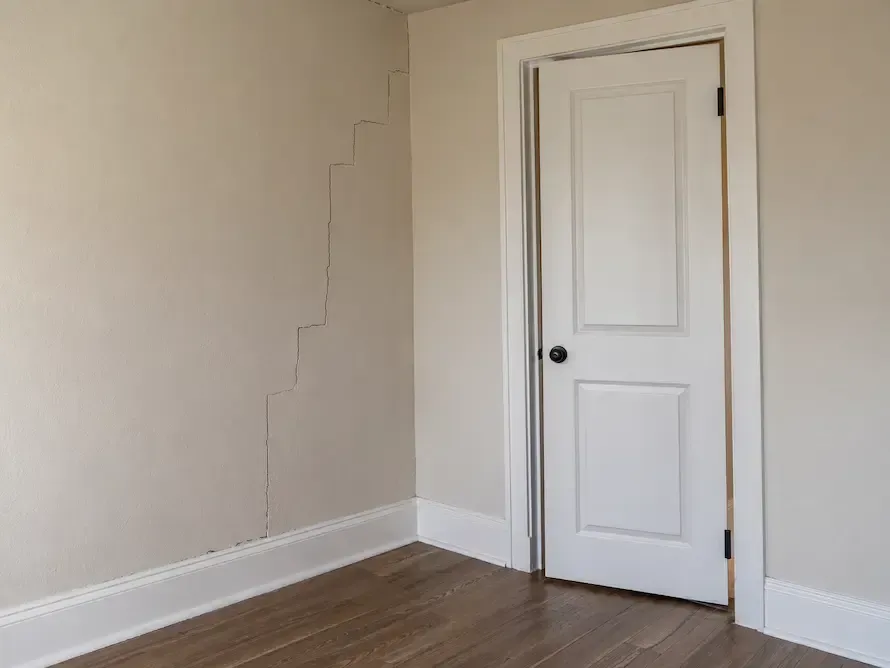
There are several signs you need a structural inspection, especially when they appear suddenly, continue to grow, or show up in multiple areas of the building. Some signs are easy to dismiss as cosmetic, but they can be early warnings of a larger issue.
Common warning signs include:
- Cracks in the foundation, brick, stucco, drywall, ceilings, or exterior walls.
- Stair-step cracks in masonry.
- Uneven, sloping, or bouncing floors.
- Doors and windows that stick, rub, or no longer close properly.
- Gaps around windows, doors, trim, ceilings, or walls.
- Roof sagging or visible deflection.
- Water intrusion near structural components.
- Separation between walls and ceilings.
- Cracked or displaced concrete slabs.
- Signs of movement after storms, flooding, fire, impact, or nearby construction.
In Texas, structural concerns are often connected to soil movement, poor drainage, expansive clay soils, severe weather, foundation settlement, or water-related damage. That does not mean every crack is a major problem, but it does mean visible changes should be evaluated before repairs are made blindly.
A professional inspection helps determine whether the issue is cosmetic, maintenance-related, or structural.
What Does a Structural Inspection Report Include?
A professional structural inspection report should clearly explain what was observed, what those observations may indicate, and what steps may be recommended. The report should be useful not only for the property owner, but also for contractors, insurance professionals, adjusters, attorneys, or other parties involved in the decision-making process.
So, what does a structural inspection report include?
It commonly includes:
- A summary of the inspection purpose.
- Property or site information.
- Observed structural conditions.
- Photos of relevant areas.
- Notes on cracks, movement, distress, or damage.
- Measurements or documentation when applicable.
- Professional findings based on visible conditions.
- Possible causes or contributing factors.
- Repair recommendations, if needed.
- Limitations of the inspection.
- Areas that were not accessible or visible.
The best reports are clear, organized, and practical. They should not leave the client guessing. A strong structural report helps connect the dots between visible symptoms and the likely conditions behind them.
For example, if there are cracks in several rooms, the report may help determine whether they appear consistent with ordinary cosmetic cracking, foundation movement, framing distress, moisture-related deterioration, or another issue. That clarity can make a major difference before starting repairs or submitting documentation for a claim.
Final Thoughts: Do Not Guess When the Structure Is Telling You Something

A building structural inspection helps you understand what is really happening when a property shows signs of distress. Cracks, uneven floors, sticking doors, roof sagging, drainage issues, and visible movement should not be ignored or treated with guesswork.
The value of a professional inspection is that it turns visible symptoms into clear findings. It helps answer important questions:
- Is the issue structural or cosmetic?
- What areas of the building are affected?
- What may be contributing to the damage?
- Are repairs needed?
- Is documentation required for a claim, sale, renovation, or dispute?
At Texas Piers Consulting, we focus on fact-driven structural investigations, physical site evaluations, and clear reporting. Whether the concern involves foundation movement, framing issues, storm damage, construction defects, or repair recommendations, a professional structural inspection can help protect the property and support better decisions.
You might also like